


It can be incredibly challenging to be recognized at work. Proving that you’re a stellar employee can take years, and gaining back the trust of management after they’ve decided not to support you can feel like trying to put toothpaste back in the tube. Just because someone works in management doesn’t mean they have impeccable judgment, though. Below, you’ll find a story that one person recently shared on the Petty Revenge subreddit detailing how they saw something special in the one employee everyone warned them, so they managed to get him promoted above everyone who doubted him. When this person began working in a leadership role at a non-profit, they realized something special about one of their employees Image credits: Adib Hussain (not the actual photo) So they did all they could to help him, and everyone else in the company, realize his full potential Image credits: Sigmund (not the actual photo) Unfortunately, it’s quite common for managers to stifle their employees’ careers In theory, all of our bosses and managers would be supportive and excited about the future growth of our careers. But unfortunately, it doesn’t always work that way in real life. One small misstep, and your employer might suddenly be out to get you. You might even do everything right at work, yet for some reason, those in leadership positions simply decide that they’ll stifle your career advancement. It’s actually quite common for employees to feel held back by their higher-ups, so Shirley Davis wrote a piece for Harvard Business Review explaining how her firm, SDS Global Enterprises, Inc., explored this issue. She first addressed the fact that hiring, pay and promotion decisions are far too often reliant on the unconscious (or sometimes conscious) biases of managers. This leads to workers feeling dissatisfied when their careers seem to be stunted. Davis wrote that her firm made several observations through their research: “Workers from underrepresented groups still feel less included, less valued, and underpaid as compared to their white counterparts. Workers from underrepresented groups feel that their leaders are less supportive, and less invested in their career success. Workers from underrepresented groups feel unheard by their leaders and invisible in their seats at the table, or not invited to the table altogether.” When employees feel frustrated by these issues, they will be less motivated at work; they may feel psychologically unsafe; companies will have high turnover rates and low performance; and employees may experience burnout, stress, depression and self-doubt. This can cause workers to experience dissatisfaction with their jobs, burnout, stress and self-doubt While these issues are largely systemic and affect many different companies, it is still important to address them wherever we see them crop up. Davis writes for Harvard Business Review that we must choose our battles wisely, but we must be willing to fight for ourselves. First, determine your career goals and outline them clearly. Then find out exactly what it is that’s getting in your way. Davis also recommends keeping a paper trail of all of your accomplishments, while updating your supervisor every time you hit a milestone. Then have an open and honest conversation with your employer. “Use the time to restate your desire for upward mobility and come armed with evidence to support your case,” Davis writes. “Mention your most impactful work and how it has contributed to the larger organizational goals, as well as any positive performance review feedback you’ve received and any milestones you’ve tracked in email threads with your manager. If your boss is a career blocker, they will likely respond with another obstacle you need to tackle on your way up. In response, ask them to be specific about their expectations, what success looks like, and how they’re willing to track, measure, and support your goals.” It’s also wise to bring up these goals with your supervisor more often than your year-end or annual review. It’s important for you both to be on the same page about the future of your career, and if it’s going to be impossible to achieve your goals where you currently are, it might be time to move onto another company. Davis also recommends seeking advice from a mentor or trusted career advisor, if you’re unsure what steps to take next. But workers should never stop defending themselves and striving for the careers they desire “These people can provide you with an objective, outside perspective,” she explains. “They can gut check you, help you identify any counter arguments you may need to address with your manager, and point out development gaps you may be overlooking. Some may even be willing to have mock discussions with you, playing the part of your manager, to help you prepare and be clear in your messaging. Most importantly, a sponsor or an ally can advocate on your behalf. It’s especially helpful when this person is a senior or respected person within the organization. It’s important to have them on your side so that they can call attention to your work when you’re not in the room and promotions or new projects are being assigned.” Unfortunately, there are plenty of hardworking employees out there who have found themselves in Willie’s shoes before, being stifled by managers who should have recognized him and supported him. But thankfully, that role was not permanent. All Willie needed was an advocate, so if you’ve found yourself in a similar situation, perhaps that’s all you need as well. We would love to hear your thoughts on this beautiful act of petty revenge down below, pandas. Feel free to share any personal stories if you’ve ever proven your former managers wrong, and then if you’re interested in reading another Bored Panda article discussing petty revenge in the workplace, look no further than right here! Readers applauded Willie in the comments, sharing their disdain for the leaders who tried to hold him back The post Underestimated Employee Proceeds To Get Promoted Above The Leadership Team That Was Out To Get Him By Transferring To Another Region first appeared on Bored Panda. Underestimated Employee Proceeds To Get Promoted Above The Leadership Team That Was Out To Get Him By Transferring To Another Region
It can be incredibly challenging to be recognized at work. Proving that you’re a stellar employee can take years, and gaining back the trust of management after they’ve decided not to support you can feel like trying to put toothpaste back in the tube.
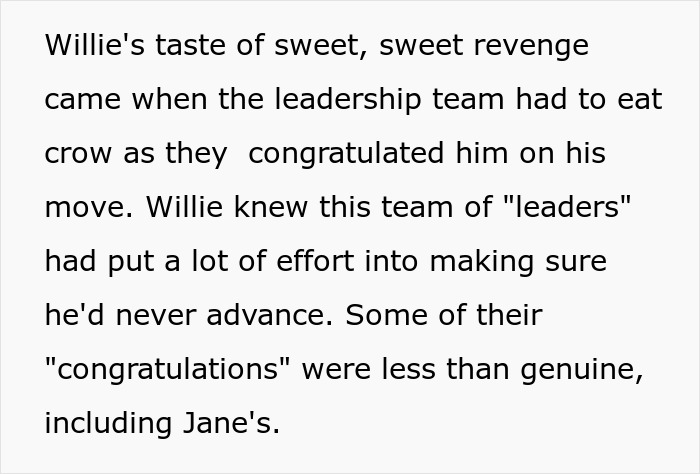
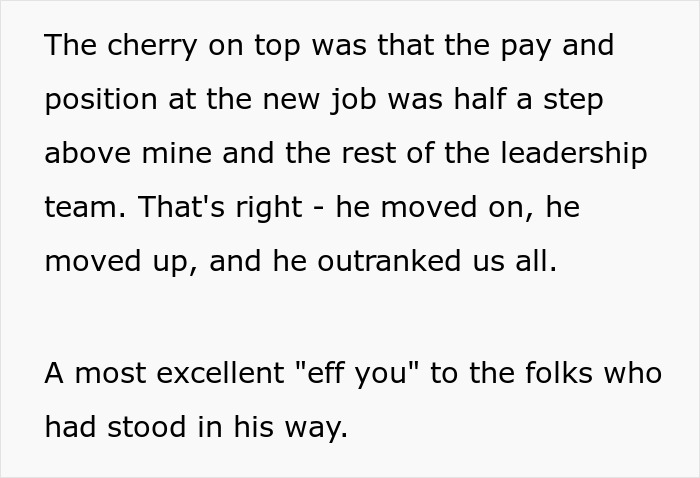
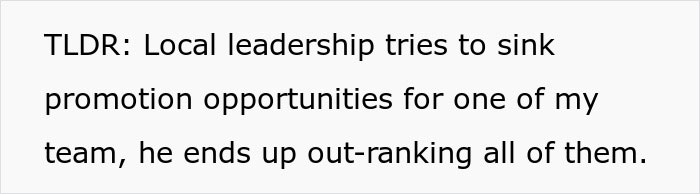
Just because someone works in management doesn’t mean they have impeccable judgment, though. Below, you’ll find a story that one person recently shared on the Petty Revenge subreddit detailing how they saw something special in the one employee everyone warned them, so they managed to get him promoted above everyone who doubted him.
When this person began working in a leadership role at a non-profit, they realized something special about one of their employees

Image credits: Adib Hussain (not the actual photo)
So they did all they could to help him, and everyone else in the company, realize his full potential

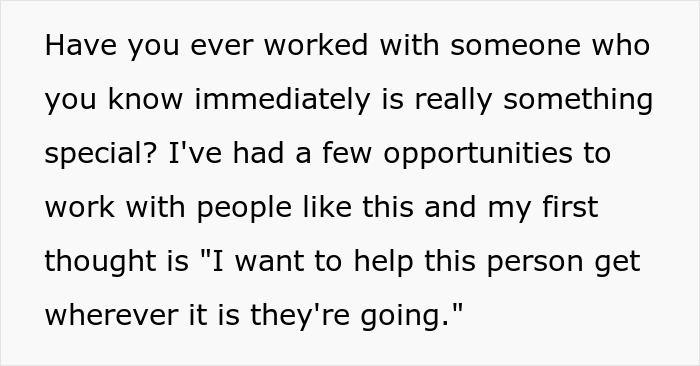
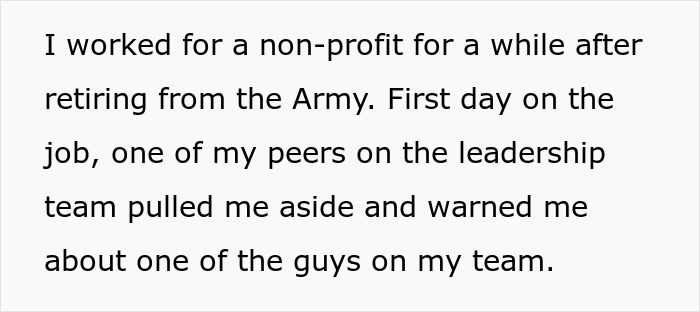
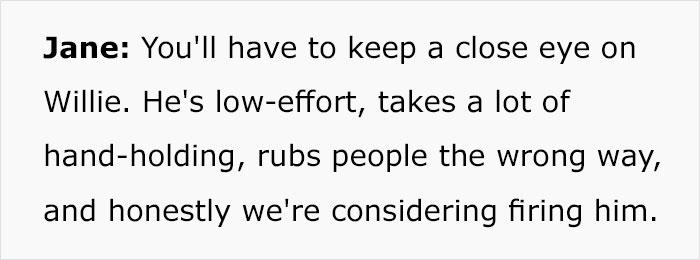
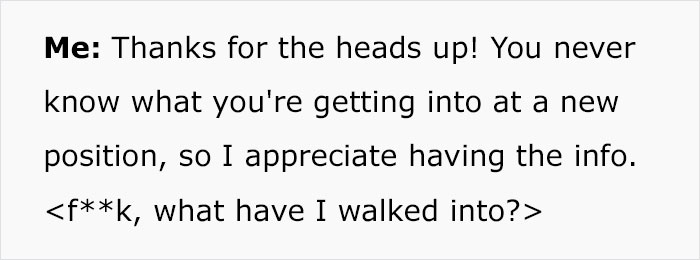
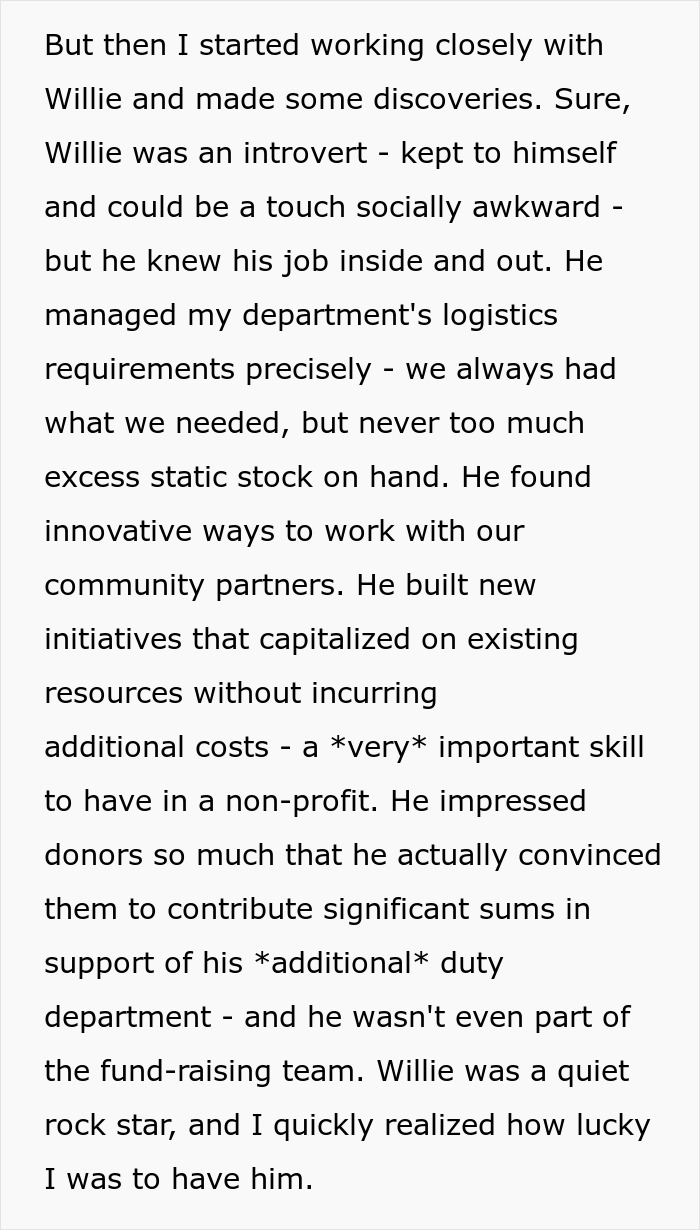

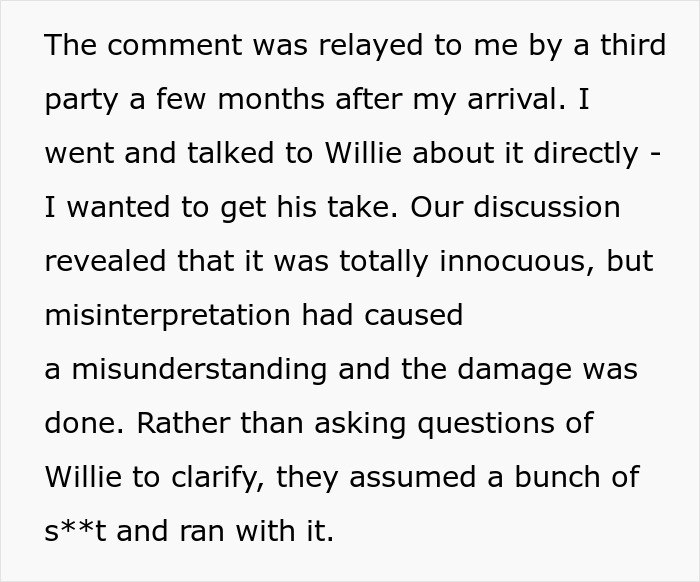
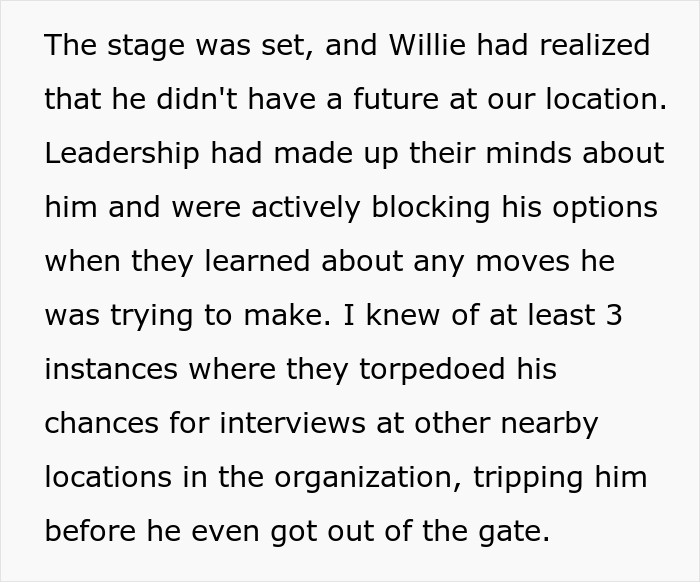

Image credits: Sigmund (not the actual photo)
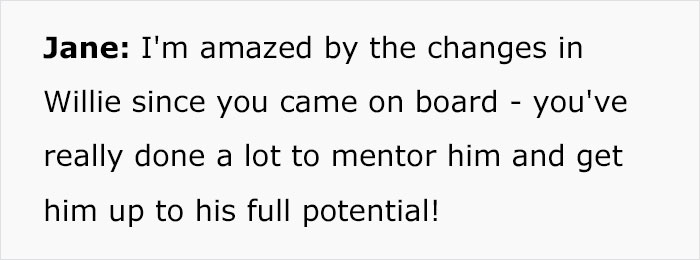
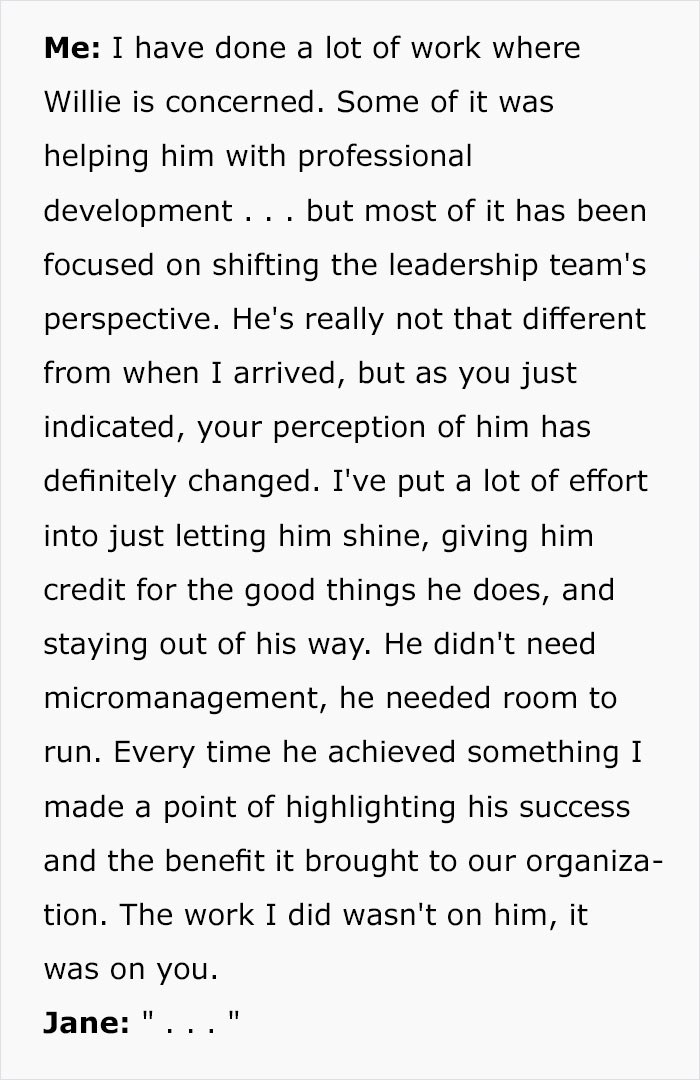
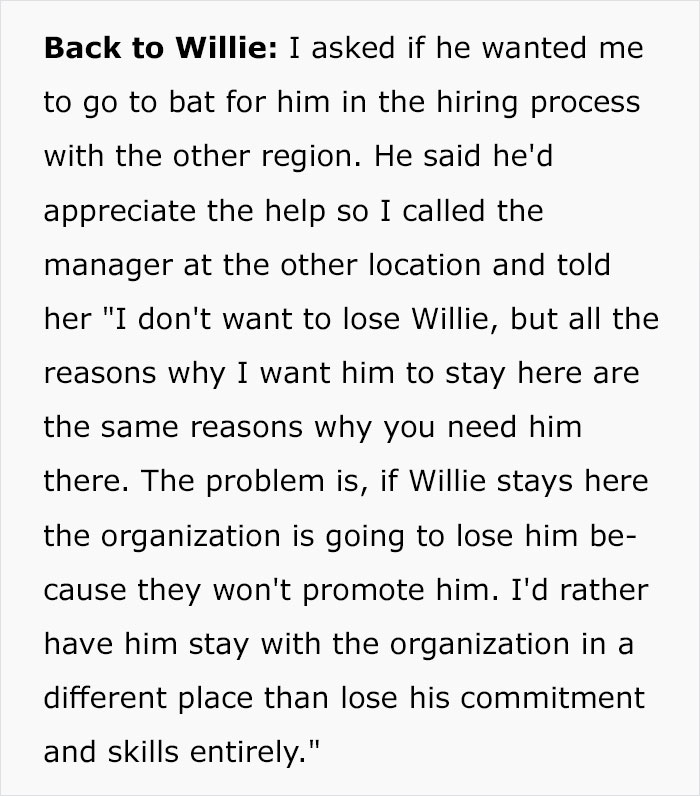
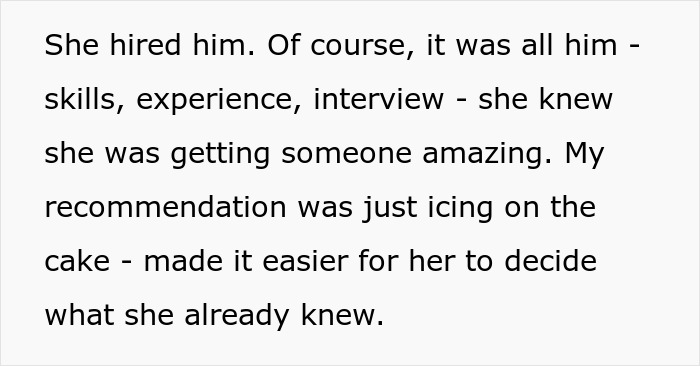

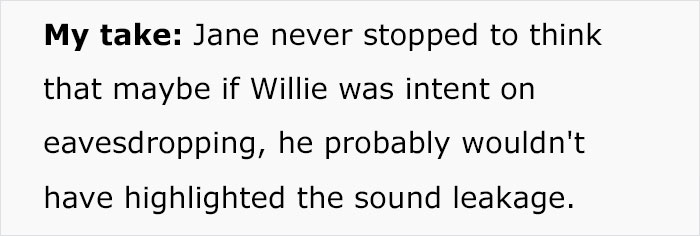
Unfortunately, it’s quite common for managers to stifle their employees’ careers
In theory, all of our bosses and managers would be supportive and excited about the future growth of our careers. But unfortunately, it doesn’t always work that way in real life. One small misstep, and your employer might suddenly be out to get you. You might even do everything right at work, yet for some reason, those in leadership positions simply decide that they’ll stifle your career advancement. It’s actually quite common for employees to feel held back by their higher-ups, so Shirley Davis wrote a piece for Harvard Business Review explaining how her firm, SDS Global Enterprises, Inc., explored this issue. She first addressed the fact that hiring, pay and promotion decisions are far too often reliant on the unconscious (or sometimes conscious) biases of managers. This leads to workers feeling dissatisfied when their careers seem to be stunted.
Davis wrote that her firm made several observations through their research: “Workers from underrepresented groups still feel less included, less valued, and underpaid as compared to their white counterparts. Workers from underrepresented groups feel that their leaders are less supportive, and less invested in their career success. Workers from underrepresented groups feel unheard by their leaders and invisible in their seats at the table, or not invited to the table altogether.” When employees feel frustrated by these issues, they will be less motivated at work; they may feel psychologically unsafe; companies will have high turnover rates and low performance; and employees may experience burnout, stress, depression and self-doubt.
This can cause workers to experience dissatisfaction with their jobs, burnout, stress and self-doubt
While these issues are largely systemic and affect many different companies, it is still important to address them wherever we see them crop up. Davis writes for Harvard Business Review that we must choose our battles wisely, but we must be willing to fight for ourselves. First, determine your career goals and outline them clearly. Then find out exactly what it is that’s getting in your way. Davis also recommends keeping a paper trail of all of your accomplishments, while updating your supervisor every time you hit a milestone. Then have an open and honest conversation with your employer.
“Use the time to restate your desire for upward mobility and come armed with evidence to support your case,” Davis writes. “Mention your most impactful work and how it has contributed to the larger organizational goals, as well as any positive performance review feedback you’ve received and any milestones you’ve tracked in email threads with your manager. If your boss is a career blocker, they will likely respond with another obstacle you need to tackle on your way up. In response, ask them to be specific about their expectations, what success looks like, and how they’re willing to track, measure, and support your goals.”
It’s also wise to bring up these goals with your supervisor more often than your year-end or annual review. It’s important for you both to be on the same page about the future of your career, and if it’s going to be impossible to achieve your goals where you currently are, it might be time to move onto another company. Davis also recommends seeking advice from a mentor or trusted career advisor, if you’re unsure what steps to take next.
But workers should never stop defending themselves and striving for the careers they desire
“These people can provide you with an objective, outside perspective,” she explains. “They can gut check you, help you identify any counter arguments you may need to address with your manager, and point out development gaps you may be overlooking. Some may even be willing to have mock discussions with you, playing the part of your manager, to help you prepare and be clear in your messaging. Most importantly, a sponsor or an ally can advocate on your behalf. It’s especially helpful when this person is a senior or respected person within the organization. It’s important to have them on your side so that they can call attention to your work when you’re not in the room and promotions or new projects are being assigned.”
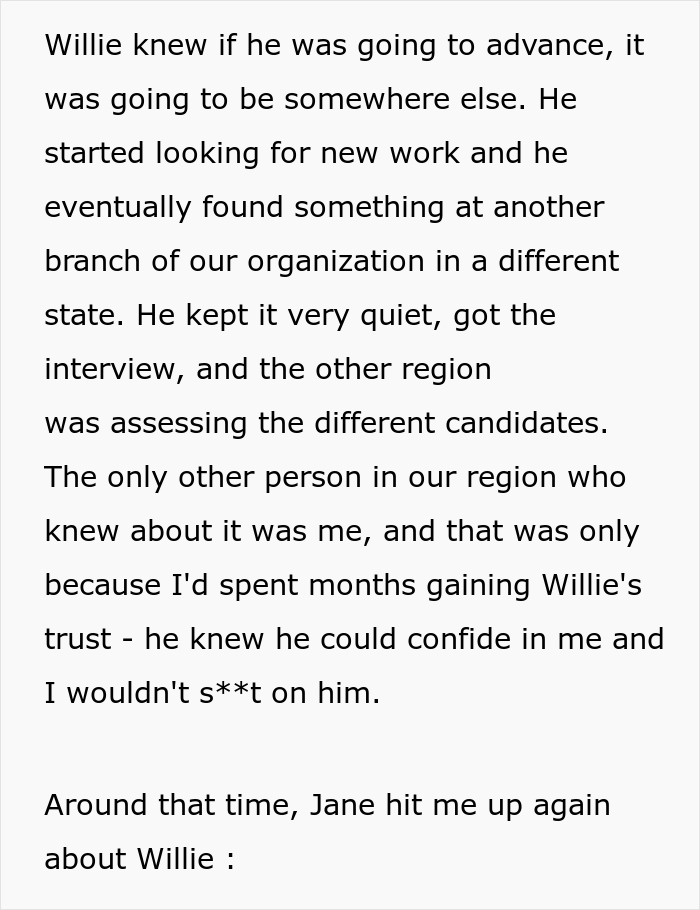
Unfortunately, there are plenty of hardworking employees out there who have found themselves in Willie’s shoes before, being stifled by managers who should have recognized him and supported him. But thankfully, that role was not permanent. All Willie needed was an advocate, so if you’ve found yourself in a similar situation, perhaps that’s all you need as well. We would love to hear your thoughts on this beautiful act of petty revenge down below, pandas. Feel free to share any personal stories if you’ve ever proven your former managers wrong, and then if you’re interested in reading another Bored Panda article discussing petty revenge in the workplace, look no further than right here!
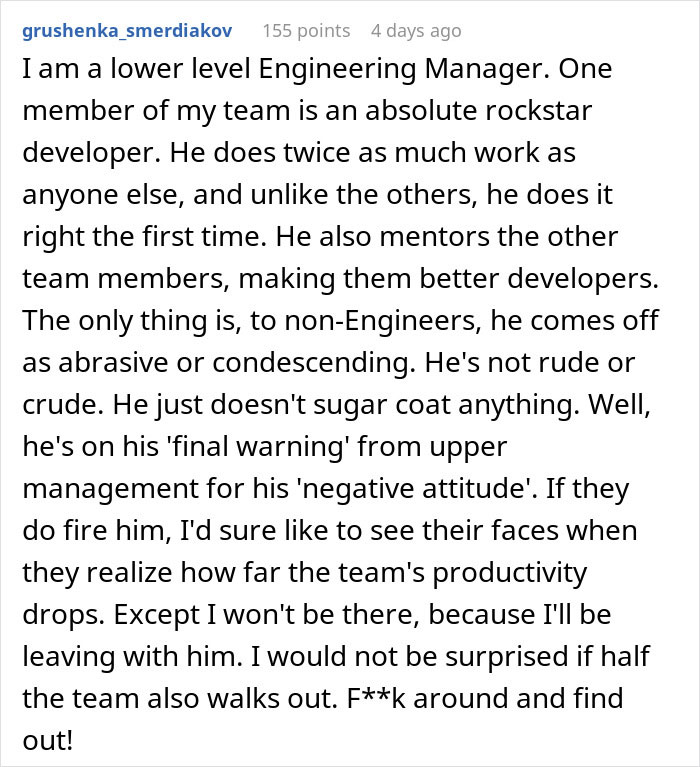
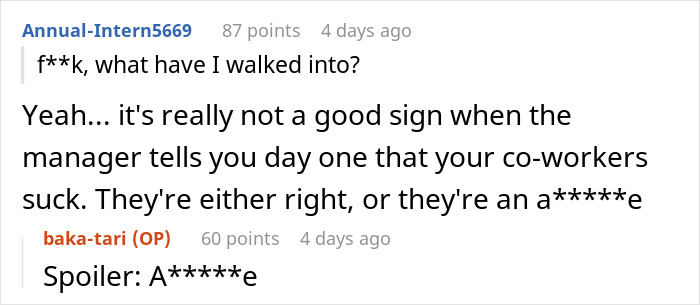
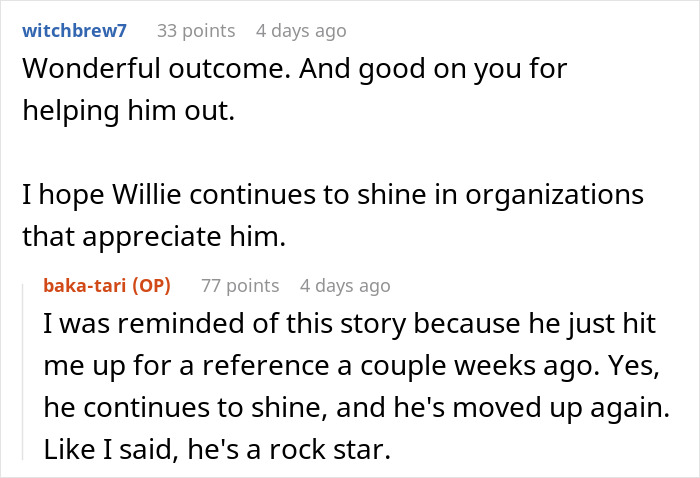
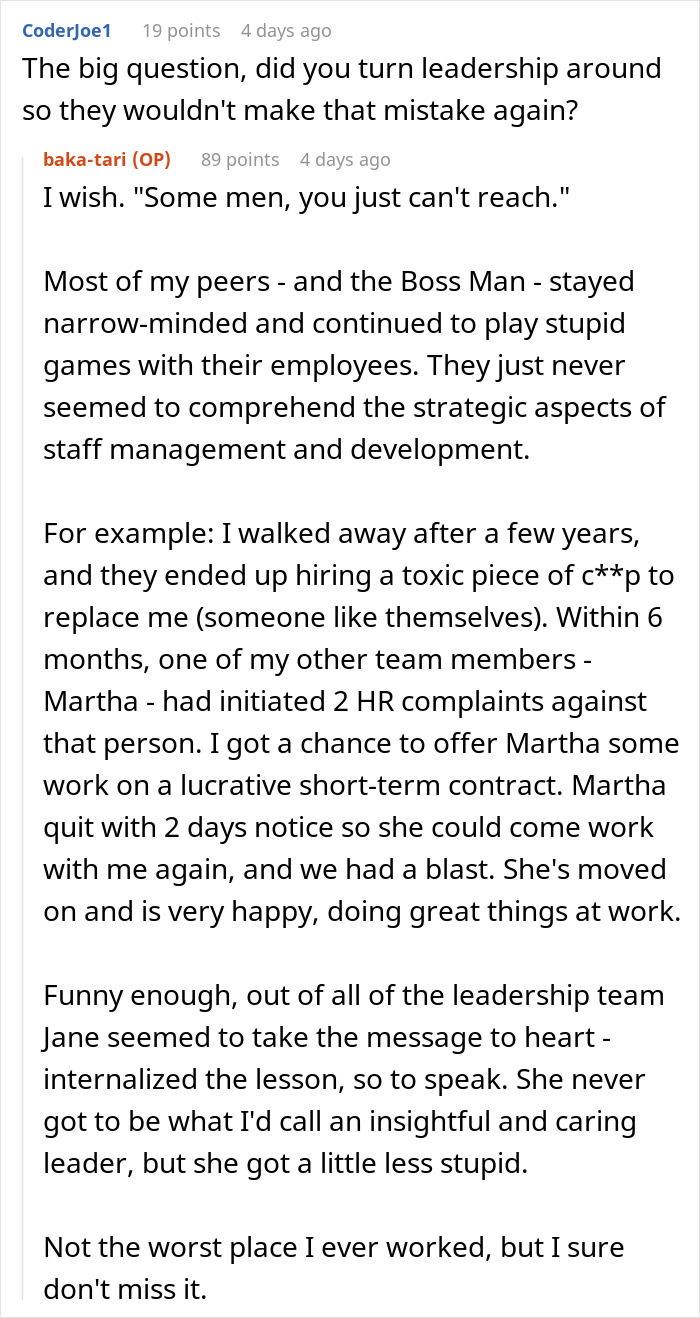
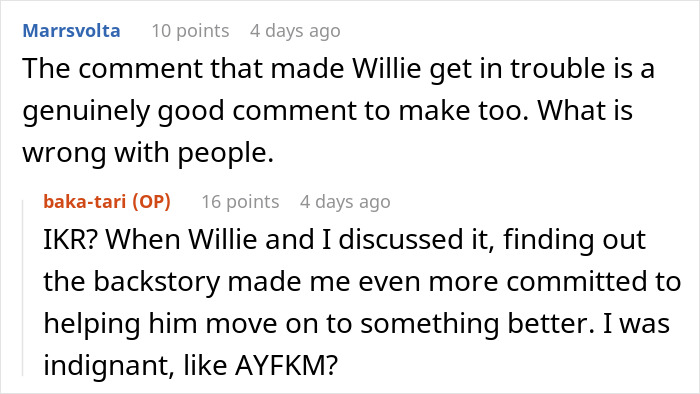
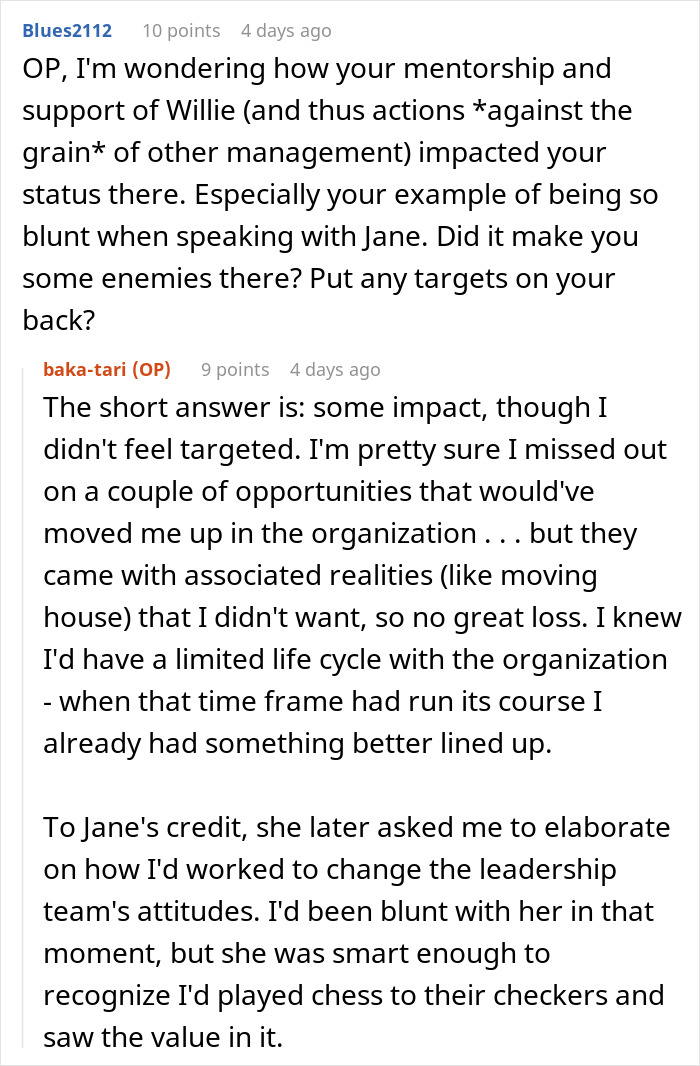
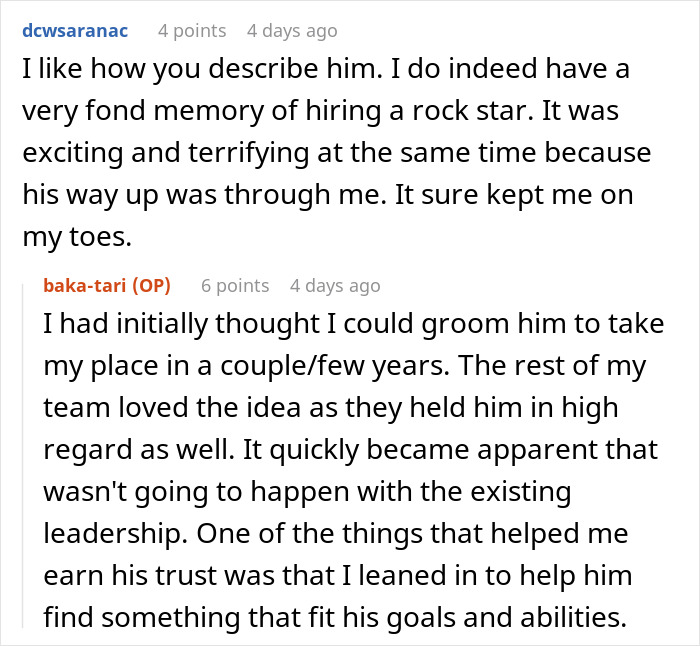
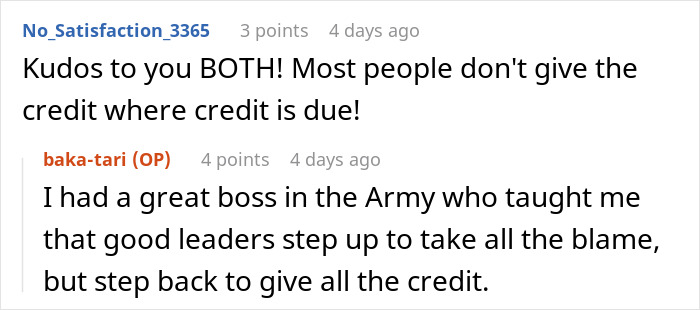
Readers applauded Willie in the comments, sharing their disdain for the leaders who tried to hold him back




The post Underestimated Employee Proceeds To Get Promoted Above The Leadership Team That Was Out To Get Him By Transferring To Another Region first appeared on Bored Panda.
from Bored Panda https://ift.tt/3CdV9ub

No comments: