banner image

The weight-loss injection boom that swept through Hollywood and boardrooms alike is now facing a potentially deadly reckoning. The UK’s Medicines and Healthcare products Regulatory Agency (MHRA) has launched a full-scale investigation after over 560 reports of pancreatitis were linked to GLP-1 receptor agonists like Ozempic, Wegovy, and Mounjaro.  At least 10 of those cases ended in patients losing their lives. The measure comes after a rise in the reports of people experiencing troubling side-effects that range from undesirable aesthetic changes, to organ failure. UK authorities have sounded the alarm on Ozempic and Wegovy causing pancreatitis in some users Image credits: CBC News: The National “We’re asking anyone who has been hospitalized with acute pancreatitis while taking a GLP-1 medicine to report this to us via our Yellow Card scheme,” said Dr. Alison Cave, MHRA’s chief safety officer.  “Even if you don’t meet the criteria for the Biobank study, your information is invaluable.” Image credits: sebra/Adobe Stock (Not the actual photo) Among the victims was 58-year-old Susan McGowan, who passed away from multiple organ failure, septic shock, and acute pancreatitis after just two low-dose injections of tirzepatide—the active ingredient in Mounjaro. Image credits: Haberdoedas/Unsplash (Not the actual photo) Her case prompted the agency to work in partnership with Genomics England to uncover whether genetic predispositions make certain patients particularly vulnerable to GPT-1 agonists. Preliminary findings have led them to collect DNA samples, hoping to assess possible links between the medication and acute organ inflammation. If their assumptions are proven correct, it means that each person injecting themselves with these weight loss medications is effectively rolling a dice, hoping it doesn’t land on an unfavorable number. The agency hopes their investigation results in stricter pre-screening protocols for weight-loss injections Image credits: This Morning The urgent investigation isn’t just a health-risk alert; as Dr. Cave notes, if left unchecked, the growing popularity of these weight-loss drugs could lead to catastrophic economic losses and immense suffering for families. “Almost a third of side effects to medicines could be prevented with the introduction of genetic testing,” Dr. Cave noted. “Adverse drug reactions could cost the NHS more than £2.2 billion a year in hospital stays alone.” Image credits: Mauricio Toro/Adobe Stock (Not the actual photo) Professor Matt Brown, chief scientific officer at Genomics England, agreed with Cave’s assessment, and specified that the goal of the study is to make pre-prescription screening protocols stricter—a move that threatens Ozempic’s unprecedented market success. Despite potential side-effects, it’s in the investors’ best interest to keep the compound as popular and trustworthy as possible. Many jumped on the bandwagon in 2023, when a study by Goldman Sachs stated that the obesity drug market was expected to reach $100 billion by 2030. In recent years, the dr*g has become so sought after that Ozempic’s manufacturer, Novo Nordisk, has become Europe’s most valuable company, with a market value that exceeds that of its home country. As the injections become more commonplace, the number of people experiencing adverse side-effects is expected to increase Image credits: DRK Channel Though the investigation is still ongoing, the early breakdown of the more than 560+ cases analyzed paints a concerning picture. The timing, experts argue, is critical. Recent figures estimate that roughly 1.5 million people in the UK are currently using weight-loss injections—many through private providers due to NHS rationing. Image credits: Wegovy The concern isn’t limited to British authorities. As Bored Panda previously reported, Australian health authorities sounded the alarm last month over dr*g-induced hepatitis, with multiple patients requiring hospitalization due to liver damage after taking semaglutide-based medications. “Be aware of signs and symptoms on the liver,” Dr. Gary Deed of the Royal Australian College warned at the time. “Hepatotoxicity can be hidden in common side effects like nausea.” Image credits: Endocrinology & Diabetes Simplified At the same time, Mounjaro was found to potentially reduce the efficacy of the oral contraceptive pills, due to the dr*g’s mechanism of slowing down digestion, which interferes with the body’s ability to absorb these medications. Among Ozempic’s listed side effects, on the other hand, are thyroid tumors, cancer, pancreas and kidney problems, vision problems, and potential dangers still not accounted for in pregnant women. “The party is over.” Netizens took to social media to share their thoughts on the dr*g’s new side-effect ‘Organ-Destroying’ Ozempic And Mounjaro Have Already Claimed 10 Lives, Experts Say

The weight-loss injection boom that swept through Hollywood and boardrooms alike is now facing a potentially deadly reckoning.

The UK’s Medicines and Healthcare products Regulatory Agency (MHRA) has launched a full-scale investigation after over 560 reports of pancreatitis were linked to GLP-1 receptor agonists like Ozempic, Wegovy, and Mounjaro

At least 10 of those cases ended in patients losing their lives.

The measure comes after a rise in the reports of people experiencing troubling side-effects that range from undesirable aesthetic changes, to organ failure.

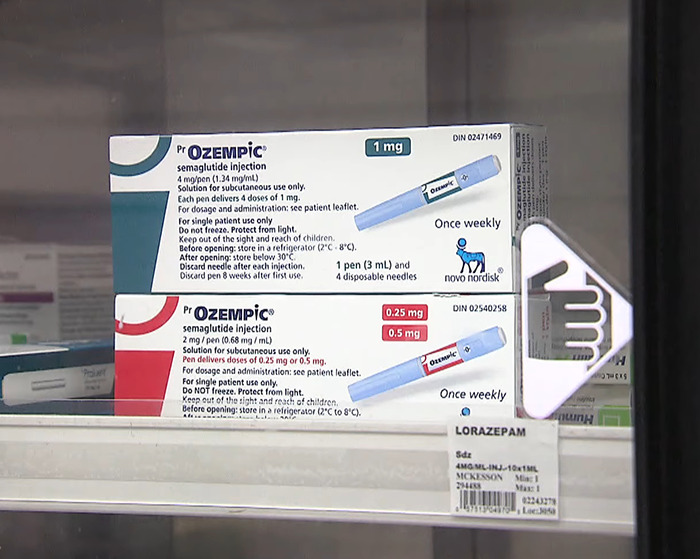
UK authorities have sounded the alarm on Ozempic and Wegovy causing pancreatitis in some users

Boxes of Ozempic semaglutide injection pens displayed in a pharmacy, linked to organ-destroying risks by experts.

Image credits: CBC News: The National

“We’re asking anyone who has been hospitalized with acute pancreatitis while taking a GLP-1 medicine to report this to us via our Yellow Card scheme,” said Dr. Alison Cave, MHRA’s chief safety officer. 

“Even if you don’t meet the criteria for the Biobank study, your information is invaluable.”

Person wearing oversized jeans with a yellow measuring tape around the waist symbolizing organ-destroying effects of Ozempic and Mounjaro.

Image credits: sebra/Adobe Stock (Not the actual photo)

Among the victims was 58-year-old Susan McGowan, who passed away from multiple organ failure, septic shock, and acute pancreatitis after just two low-dose injections of tirzepatide—the active ingredient in Mounjaro.
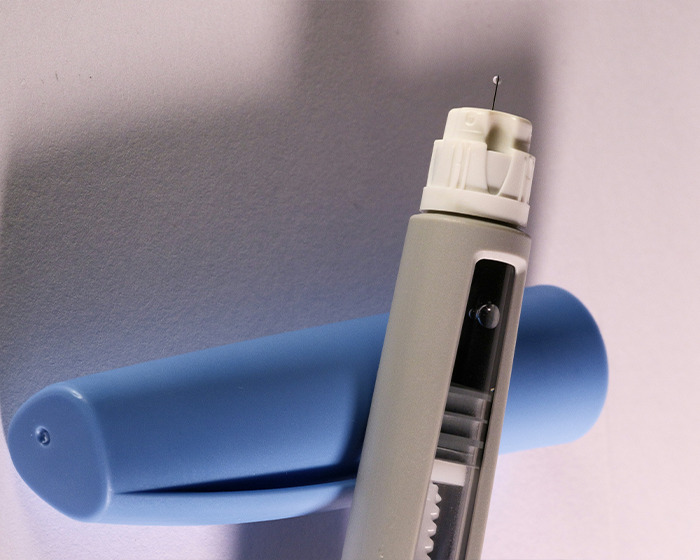
Injection pen device for administering Ozempic and Mounjaro, linked to organ damage and safety concerns by experts.

Image credits: Haberdoedas/Unsplash (Not the actual photo)

Her case prompted the agency to work in partnership with Genomics England to uncover whether genetic predispositions make certain patients particularly vulnerable to GPT-1 agonists.

Preliminary findings have led them to collect DNA samples, hoping to assess possible links between the medication and acute organ inflammation.
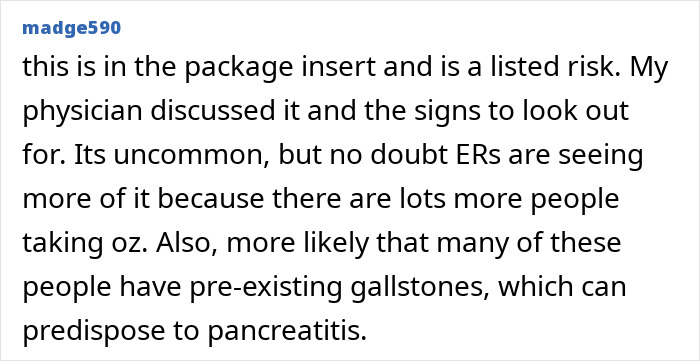

User comment discussing risks of Ozempic and mentions pre-existing gallstones related to organ damage concerns.

User comment warning about risks of ozempic related to organ damage and deaths, highlighting expert concerns on safety.

If their assumptions are proven correct, it means that each person injecting themselves with these weight loss medications is effectively rolling a dice, hoping it doesn’t land on an unfavorable number.

The agency hopes their investigation results in stricter pre-screening protocols for weight-loss injections

Woman wearing a fitted dress and fascinator, illustrating concerns around organ-destroying Ozempic and Mounjaro risks.

Image credits: This Morning

The urgent investigation isn’t just a health-risk alert; as Dr. Cave notes, if left unchecked, the growing popularity of these weight-loss drugs could lead to catastrophic economic losses and immense suffering for families.

“Almost a third of side effects to medicines could be prevented with the introduction of genetic testing,” Dr. Cave noted. “Adverse drug reactions could cost the NHS more than £2.2 billion a year in hospital stays alone.”

Person stepping on a digital scale, illustrating concerns related to organ-destroying effects of Ozempic and Mounjaro.

Image credits: Mauricio Toro/Adobe Stock (Not the actual photo)

Professor Matt Brown, chief scientific officer at Genomics England, agreed with Cave’s assessment, and specified that the goal of the study is to make pre-prescription screening protocols stricter—a move that threatens Ozempic’s unprecedented market success.

Text post warning about Ozempic risks with a mention of potential cash settlements and a lawyer contact number.

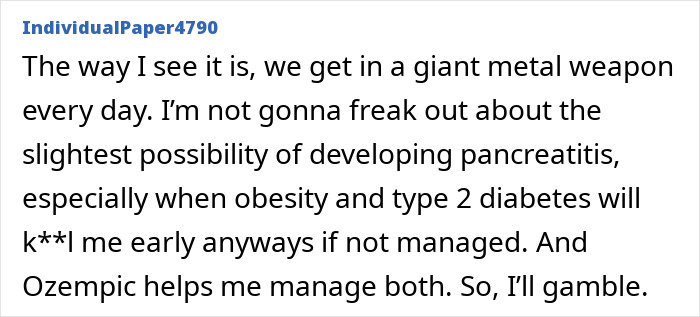
Screenshot of a forum post discussing the risks and benefits of organ-destroying Ozempic and Mounjaro for managing diabetes.

Despite potential side-effects, it’s in the investors’ best interest to keep the compound as popular and trustworthy as possible. Many jumped on the bandwagon in 2023, when a study by Goldman Sachs stated that the obesity drug market was expected to reach $100 billion by 2030.

In recent years, the dr*g has become so sought after that Ozempic’s manufacturer, Novo Nordisk, has become Europe’s most valuable company, with a market value that exceeds that of its home country.

As the injections become more commonplace, the number of people experiencing adverse side-effects is expected to increase
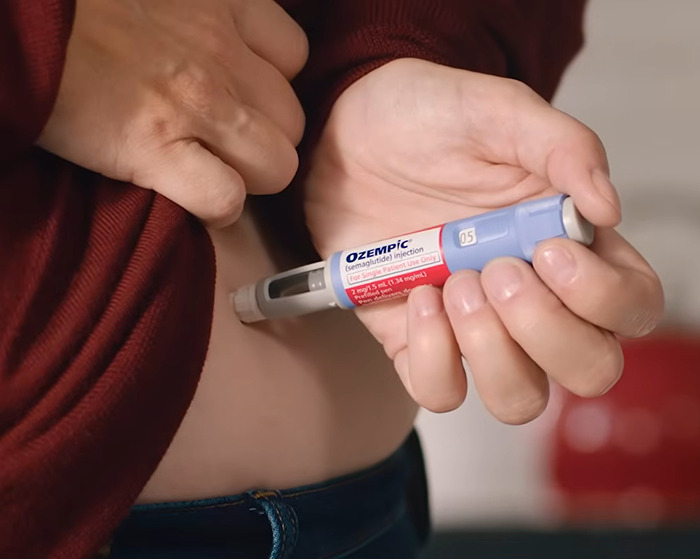
Person using Ozempic injection pen on abdomen, highlighting concerns about organ-damaging effects of Ozempic and Mounjaro.

Image credits: DRK Channel

Though the investigation is still ongoing, the early breakdown of the more than 560+ cases analyzed paints a concerning picture.

The timing, experts argue, is critical. Recent figures estimate that roughly 1.5 million people in the UK are currently using weight-loss injections—many through private providers due to NHS rationing.
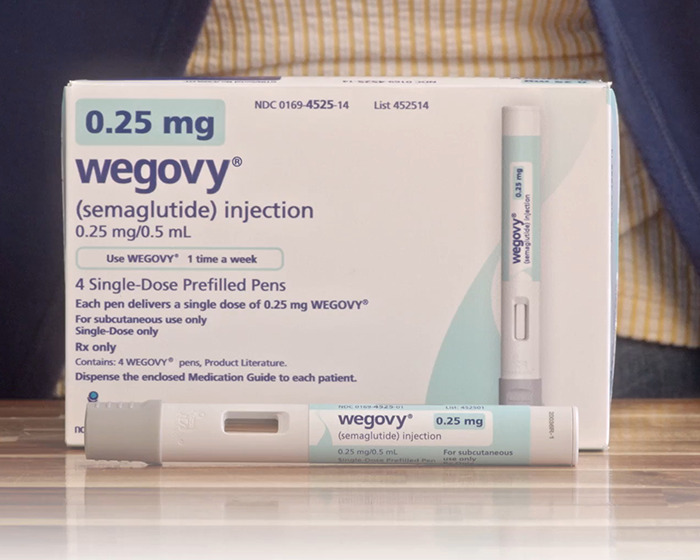
Wegovy semaglutide injection pen and box shown on table highlighting organ-destroying risks linked to Ozempic.

Image credits: Wegovy

The concern isn’t limited to British authorities. As Bored Panda previously reported, Australian health authorities sounded the alarm last month over dr*g-induced hepatitis, with multiple patients requiring hospitalization due to liver damage after taking semaglutide-based medications.

“Be aware of signs and symptoms on the liver,” Dr. Gary Deed of the Royal Australian College warned at the time. “Hepatotoxicity can be hidden in common side effects like nausea.”
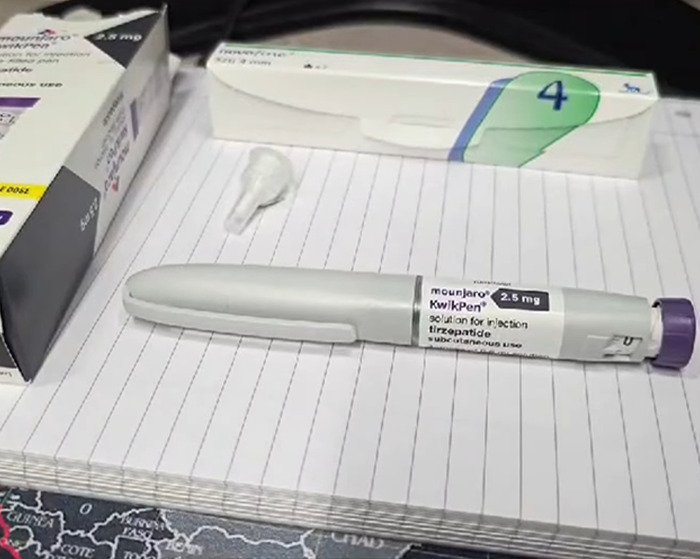
Mounjaro injection pen and Ozempic box placed on a notebook, highlighting organ-destroying drug concerns.

Image credits: Endocrinology & Diabetes Simplified

At the same time, Mounjaro was found to potentially reduce the efficacy of the oral contraceptive pills, due to the dr*g’s mechanism of slowing down digestion, which interferes with the body’s ability to absorb these medications.

Among Ozempic’s listed side effects, on the other hand, are thyroid tumors, cancer, pancreas and kidney problems, vision problems, and potential dangers still not accounted for in pregnant women.

“The party is over.” Netizens took to social media to share their thoughts on the dr*g’s new side-effect

Comment discussing Ozempic’s use for diabetic blood sugar control and kidney failure amid organ-destroying drug concerns.

Comment warning against Ozempic and Mounjaro, highlighting severe hunger and exercise for weight loss.

User comment about Ozempic side effects, expressing feeling sick and preferring to feel fat over using organ-destroying Ozempic medication.

Screenshot of a social media comment discussing concerns about organ-destroying Ozempic and Mounjaro side effects.

Facebook comment by Melanie Mansfield Biggs discussing instant gratification and effort in a text post about organ-destroying Ozempic and Mounjaro.

Comment from Lyndi Evertsen expressing concern about long-term side effects similar to a jab, related to organ-destroying Ozempic and Mounjaro.

Comment by Devon Gary discussing concerns about users misunderstanding mg and mL measurements affecting wellbeing. Organ-destroying risks noted.

Screenshot of a social media comment by Tyme Byrd, discussing concerns about organ-destroying effects of Ozempic and Mounjaro.

Alt text: Expert warns about dangers of organ-destroying Ozempic and Mounjaro after 10 reported deaths.

Comment by Mark Ward expressing concern over Ozempic and Mounjaro use for weight loss amid shortages for diabetics.

Comment from Brenda Shields Baze, a registered nurse, warning about severe abdominal pain linked to organ-destroying Ozempic and Mounjaro.

Facebook comment expressing sadness over families affected by weight loss drugs linked to organ damage and deaths.

Comment by Jacqui Richmond stating no magic cure afterall related to organ-destroying Ozempic and Mounjaro concerns.

Comment by Theresa Denise Groome sharing her experience with Ozempic and no issues after bloodwork in a healthcare discussion.

Comment discussing side effects of obesity including risks related to high blood pressure and diabetes from being overweight.

Comment discussing weight loss risks linked to organ-destroying Ozempic and Mounjaro medications by John J Moss Jr.

User comment on Ozempic and Mounjaro side effects, mentioning cholesterol medication and pharma industry concerns.

Person named Kerry Kasper DeCoteau commenting about obesity complications and death in a social media post.

Comment by Brian Smith expressing indifference about needing an extra wide casket related to organ-destroying Ozempic and Mounjaro deaths.

User comment discussing personal experience with Ozempic for diabetes and weight loss, mentioning the need for a healthier lifestyle alongside drug use.


from Bored Panda https://ift.tt/H2dJBTQ
The weight-loss injection boom that swept through Hollywood and boardrooms alike is now facing a potentially deadly reckoning. The UK’s Medicines and Healthcare products Regulatory Agency (MHRA) has launched a full-scale investigation after over 560 reports of pancreatitis were linked to GLP-1 receptor agonists like Ozempic, Wegovy, and Mounjaro.  At least 10 of those cases ended in patients losing their lives. The measure comes after a rise in the reports of people experiencing troubling side-effects that range from undesirable aesthetic changes, to organ failure. UK authorities have sounded the alarm on Ozempic and Wegovy causing pancreatitis in some users Image credits: CBC News: The National “We’re asking anyone who has been hospitalized with acute pancreatitis while taking a GLP-1 medicine to report this to us via our Yellow Card scheme,” said Dr. Alison Cave, MHRA’s chief safety officer.  “Even if you don’t meet the criteria for the Biobank study, your information is invaluable.” Image credits: sebra/Adobe Stock (Not the actual photo) Among the victims was 58-year-old Susan McGowan, who passed away from multiple organ failure, septic shock, and acute pancreatitis after just two low-dose injections of tirzepatide—the active ingredient in Mounjaro. Image credits: Haberdoedas/Unsplash (Not the actual photo) Her case prompted the agency to work in partnership with Genomics England to uncover whether genetic predispositions make certain patients particularly vulnerable to GPT-1 agonists. Preliminary findings have led them to collect DNA samples, hoping to assess possible links between the medication and acute organ inflammation. If their assumptions are proven correct, it means that each person injecting themselves with these weight loss medications is effectively rolling a dice, hoping it doesn’t land on an unfavorable number. The agency hopes their investigation results in stricter pre-screening protocols for weight-loss injections Image credits: This Morning The urgent investigation isn’t just a health-risk alert; as Dr. Cave notes, if left unchecked, the growing popularity of these weight-loss drugs could lead to catastrophic economic losses and immense suffering for families. “Almost a third of side effects to medicines could be prevented with the introduction of genetic testing,” Dr. Cave noted. “Adverse drug reactions could cost the NHS more than £2.2 billion a year in hospital stays alone.” Image credits: Mauricio Toro/Adobe Stock (Not the actual photo) Professor Matt Brown, chief scientific officer at Genomics England, agreed with Cave’s assessment, and specified that the goal of the study is to make pre-prescription screening protocols stricter—a move that threatens Ozempic’s unprecedented market success. Despite potential side-effects, it’s in the investors’ best interest to keep the compound as popular and trustworthy as possible. Many jumped on the bandwagon in 2023, when a study by Goldman Sachs stated that the obesity drug market was expected to reach $100 billion by 2030. In recent years, the dr*g has become so sought after that Ozempic’s manufacturer, Novo Nordisk, has become Europe’s most valuable company, with a market value that exceeds that of its home country. As the injections become more commonplace, the number of people experiencing adverse side-effects is expected to increase Image credits: DRK Channel Though the investigation is still ongoing, the early breakdown of the more than 560+ cases analyzed paints a concerning picture. The timing, experts argue, is critical. Recent figures estimate that roughly 1.5 million people in the UK are currently using weight-loss injections—many through private providers due to NHS rationing. Image credits: Wegovy The concern isn’t limited to British authorities. As Bored Panda previously reported, Australian health authorities sounded the alarm last month over dr*g-induced hepatitis, with multiple patients requiring hospitalization due to liver damage after taking semaglutide-based medications. “Be aware of signs and symptoms on the liver,” Dr. Gary Deed of the Royal Australian College warned at the time. “Hepatotoxicity can be hidden in common side effects like nausea.” Image credits: Endocrinology & Diabetes Simplified At the same time, Mounjaro was found to potentially reduce the efficacy of the oral contraceptive pills, due to the dr*g’s mechanism of slowing down digestion, which interferes with the body’s ability to absorb these medications. Among Ozempic’s listed side effects, on the other hand, are thyroid tumors, cancer, pancreas and kidney problems, vision problems, and potential dangers still not accounted for in pregnant women. “The party is over.” Netizens took to social media to share their thoughts on the dr*g’s new side-effect ‘Organ-Destroying’ Ozempic And Mounjaro Have Already Claimed 10 Lives, Experts Say 
The weight-loss injection boom that swept through Hollywood and boardrooms alike is now facing a potentially deadly reckoning.

The UK’s Medicines and Healthcare products Regulatory Agency (MHRA) has launched a full-scale investigation after over 560 reports of pancreatitis were linked to GLP-1 receptor agonists like Ozempic, Wegovy, and Mounjaro. 

At least 10 of those cases ended in patients losing their lives.

The measure comes after a rise in the reports of people experiencing troubling side-effects that range from undesirable aesthetic changes, to organ failure.

UK authorities have sounded the alarm on Ozempic and Wegovy causing pancreatitis in some users

Image credits: CBC News: The National

“We’re asking anyone who has been hospitalized with acute pancreatitis while taking a GLP-1 medicine to report this to us via our Yellow Card scheme,” said Dr. Alison Cave, MHRA’s chief safety officer. 

“Even if you don’t meet the criteria for the Biobank study, your information is invaluable.”

Image credits: sebra/Adobe Stock (Not the actual photo)

Among the victims was 58-year-old Susan McGowan, who passed away from multiple organ failure, septic shock, and acute pancreatitis after just two low-dose injections of tirzepatide—the active ingredient in Mounjaro.

Image credits: Haberdoedas/Unsplash (Not the actual photo)

Her case prompted the agency to work in partnership with Genomics England to uncover whether genetic predispositions make certain patients particularly vulnerable to GPT-1 agonists. 

Preliminary findings have led them to collect DNA samples, hoping to assess possible links between the medication and acute organ inflammation.

If their assumptions are proven correct, it means that each person injecting themselves with these weight loss medications is effectively rolling a dice, hoping it doesn’t land on an unfavorable number.

The agency hopes their investigation results in stricter pre-screening protocols for weight-loss injections

Image credits: This Morning

The urgent investigation isn’t just a health-risk alert; as Dr. Cave notes, if left unchecked, the growing popularity of these weight-loss drugs could lead to catastrophic economic losses and immense suffering for families.

“Almost a third of side effects to medicines could be prevented with the introduction of genetic testing,” Dr. Cave noted. “Adverse drug reactions could cost the NHS more than £2.2 billion a year in hospital stays alone.”

Image credits: Mauricio Toro/Adobe Stock (Not the actual photo)

Professor Matt Brown, chief scientific officer at Genomics England, agreed with Cave’s assessment, and specified that the goal of the study is to make pre-prescription screening protocols stricter—a move that threatens Ozempic’s unprecedented market success.

Despite potential side-effects, it’s in the investors’ best interest to keep the compound as popular and trustworthy as possible. Many jumped on the bandwagon in 2023, when a study by Goldman Sachs stated that the obesity drug market was expected to reach $100 billion by 2030.

In recent years, the dr*g has become so sought after that Ozempic’s manufacturer, Novo Nordisk, has become Europe’s most valuable company, with a market value that exceeds that of its home country.

As the injections become more commonplace, the number of people experiencing adverse side-effects is expected to increase

Image credits: DRK Channel

Though the investigation is still ongoing, the early breakdown of the more than 560+ cases analyzed paints a concerning picture.

The timing, experts argue, is critical. Recent figures estimate that roughly 1.5 million people in the UK are currently using weight-loss injections—many through private providers due to NHS rationing.

Image credits: Wegovy

The concern isn’t limited to British authorities. As Bored Panda previously reported, Australian health authorities sounded the alarm last month over dr*g-induced hepatitis, with multiple patients requiring hospitalization due to liver damage after taking semaglutide-based medications.

“Be aware of signs and symptoms on the liver,” Dr. Gary Deed of the Royal Australian College warned at the time. “Hepatotoxicity can be hidden in common side effects like nausea.”

Image credits: Endocrinology & Diabetes Simplified

At the same time, Mounjaro was found to potentially reduce the efficacy of the oral contraceptive pills, due to the dr*g’s mechanism of slowing down digestion, which interferes with the body’s ability to absorb these medications.

Among Ozempic’s listed side effects, on the other hand, are thyroid tumors, cancer, pancreas and kidney problems, vision problems, and potential dangers still not accounted for in pregnant women.

“The party is over.” Netizens took to social media to share their thoughts on the dr*g’s new side-effect

‘Organ-Destroying’ Ozempic And Mounjaro Have Already Claimed 10 Lives, Experts Say Reviewed by New Viral Feed on 13:53 Rating: 5

No comments:

Powered by Blogger.