banner image

Freeze! No, that wasn't a command; that was an exclamation, you don't actually need to freeze, pandas. If you're in the Northern Hemisphere right now, you're probably experiencing some crazy winter weather. And although 2023 was the Earth's hottest year recorded in history, it still had its fair share of winter storms. Even now, at the very beginning of 2024, we're experiencing lots of snow and icy conditions. Just two weeks ago, CNN wrote about why we still have extremely cold weather when the planet warms to record levels. One positive aspect of this worrisome trend is that this kind of weather can sometimes create some beautiful scenes out in nature and in our cities. That's why we're continuing our yearly trend of presenting you with lists of beautiful and sometimes chuckle-worthy pictures of winter doing its thing. Bored Panda reached out to Energy Meteorologist Andrew Markowitz. He's a science communicator on TikTok, Instagram, and Twitter (X) who talks about all things weather. He makes informative but entertaining videos explaining things like the Polar Vortex and El Niño, and he presents his viewers with fascinating bite-sized weather facts. We talked with Andrew about extreme winters, how climate change is affecting the seasons, and how he became a meteorologist. More info: Andrew Markowitz on TikTok | Instagram | Twitter (X) Click here & follow us for more lists, facts, and stories. #1 Ice Sheet From A Leaf © Photo: reddit.com It's winter right now in the Northern Hemisphere, and just this morning, I saw a post about how the darkest 10 weeks of the year are finally over. The five weeks before the winter solstice and five weeks after it are the darkest 10, with December 21 being the darkest day of the year in the Northern Hemisphere. That's the day when astronomical winter begins. Meteorological winter starts on the 1st of December, and people living in the Northern Hemisphere have already seen their fair share of crazy winter weather. Sweden reported their lowest temperature in decades, at a whopping -48F on January 5th. The U.S. reported freezing temperatures of -30F from the northern Rockies, northern Kansas, and Iowa. #2 Whenever It Freezes This Happens To Our Spare Bedroom Windows © Photo: User #3 Accumulated Snow Depth Outside My House (Banana For Scale) It's more than 15 bananas high. I measured this morning. We'll likely get a fair bit more snow, but it's also starting to warm up a little in the daytime, so this is probably the maximum for this season. For those who still think in the old-fashioned measurement systems, it’s about 230 cm or 7 and a half feet. © Photo: okuboheavyindustries So Bored Panda reached out to a professional in the field – Meteorologist Andrew Markowitz. Lately, he too has been covering the shenanigans of the Arctic Blast in the U.S. on his TikTok channel, which has over 97k followers and 1.4M views. Much of what we see in these pictures can be the product of extreme weather. What exactly is an extreme winter? Andrew says that it all depends on the location. The best way to determine this, the meteorologist says, would be by calculating averages. "If your temperatures are much colder than average (more than 5 degrees or so) or you get much more snowfall than normal, then that would qualify as an extreme winter. Sometimes, this can be localized or other times more widespread." #4 I Took A Picture Of Our Road On A Winter Night © Photo: ShawnBStudios #5 Flowers After An Ice Storm © Photo: reddit.com #6 That's Frightening © Photo: Jason_Sheppard_ "Some regions are much more equipped to handle winter weather than others, which is what matters the most." These are places that have frequent cold winters, so they're better prepared for this kind of weather. "8 [inches] of snow or 10 degrees in Atlanta is much different than in Boston," the meteorologist explains. #7 Photos I Took In Port Stanley, Ontario Canada. Combination Of Severe Wind, Cold, Water And A Little Sand. The Base For Mother Nature’s Sculptures Was A Gate And Lamp Posts On A Pier © Photo: HubertVan #8 Freshly Fallen Snow © Photo: Mjanzalone #9 How About That For A Snow Depth? © Photo: willd14 When we read about extreme cold during winter, one thing might pop up in our minds. Why is it so cold if the scientists say every year gets progressively hotter? As we mentioned earlier, 2023 was the hottest year in history. And US scientists are predicting that 2024 might be even hotter. Climate change is the reason behind this phenomenon, and we asked Andrew to give us a quick rundown of how it is affecting extreme winter events. #10 Strange Ice Pattern On The Car After Driving Through A Blizzard © Photo: xhilaryx #11 Oulanka National Park, Finland (-23°C/-9°F) © Photo: katiya #12 This Snow Drift On The Side Of A Shed © Photo: QuasarMaster The first factor that influences extreme winters is the loss of Arctic sea ice. "Warming is occurring faster in the Arctic than anywhere on the planet, and this is the most noticeable impact we're seeing," Meteorologist Andrew Markowitz says.  "Faster warming in the Arctic generally leads to warming temperatures worldwide, but [it] also can disrupt the jet stream, which would support continued extreme cold 'Polar Vortex' events. Winters will likely be milder, but extreme cold snaps will still happen," Andrew adds. #13 The Way The Snow Melted Off My Porch © Photo: awstrom #14 Surfer After Riding Waves In Lake Superior During Polar Vortex © Photo: Devon Hains Photography #15 Great Way To Measure Though © Photo: BCbaydoll Warmer sea-surface temperatures are the second factor. Andrew tells Bored Panda that, due to climate change, rain might replace snow in seaside areas. "In areas closer to the coast, this means that snowstorms at 31 or 32 degrees would instead become rainstorms at 33 or 34 degrees with an easterly wind," Andrew explains. "So those marginal events that at one point were snow will more likely be rain. It could also argue for more intense lake-effect snow events." #16 Freezing Temperatures And Strong Winds Have Created Breathtaking Formations Of Ice In Lithuania’s Resort Town Nida © Photo: Antanas Miežanskas #17 Frozen Snow Lift At Big White Ski Resort, British Columbia, Canada © Photo: Official Big White Group #18 This Is Tony - Our 5’10” Terrain Parks Day Lead Extraordinaire. This Is Also The Snow Bank In C-Lot. How Many Feet (Or Tonys) Tall Do You Think It Is? © Photo: Sierra-at-Tahoe The third factor is that, most likely, we will be seeing less and less snow. "Median snowfall in general is likely to decrease, and there will be fewer snow events per winter, as well as more really low snow winters," Andrew goes on. "However, big snowstorms would still occur and perhaps could have a higher ceiling, with more moisture in the atmosphere due to warming." #19 That's A Whole Iceberg © Photo: HasanHaiNL #20 Snow Removal In Montenegro, Durmitor Mountain, Mid April © Photo: _Harpija_ #21 Why Bother With A Beer Glass When You Can Just Use Ice © Photo: CaptainWisconsin "Meteorology was my lifelong passion, and I think my purpose in life is to keep people informed and safe from natural disasters," Andrew tells us when we asked him what inspired him to become a meteorologist. When we think 'meteorologist,' most of us probably associate it with weather presenters. But Andrew has found a new way to reach out to people: TikTok. #22 I’m Up In Mammoth Now And The Amount Of Snow Here Is Amazing. This Is A Photo My Son Took From The Gondola Up To The Mountain Today © Photo: LPRamsey #23 My Walk Home This Evening © Photo: michellerdixon #24 This Tree After An Ice Storm In Illinois © Photo: Heres_your_Chippy "I saw social media as a way to connect with people who may no longer receive weather from TV news (because of cord cutting) and are instead trusting less reliable sources," Andrew Markowitz explains his reasoning for using TikTok and Instagram to educate people. The less reliable sources, according to him, "include weather apps and hypesters who post extreme weather solutions with no scientific validity just for clicks." #25 The Way The Snow On My Windshield Rolled Itself Up Like A Swiss Roll © Photo: Artane_33 #26 Home Depot Left The Sprinklers On Overnight In Freezing Weather © Photo: mangoklutz #27 Our Incredible "Iceman", Shane Wolken, Has Taken The Challenge! A Photo Capturing This Brave Feat - Washing The Crane In Frigid Temperatures To Protect It From Long-Term Damage © Photo: Mike Grantz "With TikTok, I felt that this was a niche that no one had captured, and your videos could theoretically reach anyone in the world," Andrew explains his fascination. "It's very easy for misinformation to spread like wildfire without any kind of vetting, so I believe it's important for scientists to be on these platforms to spread accurate info," he adds. #28 Canadian Winter © Photo: DazedlyAppoint47 #29 I Used The Grill On Sunday Night, But I Lost It Now. Working On A Plan To Find It Today © Photo: TahoeGuyM #30 Snowfall In Hokkaido, Northern Japan © Photo: tak_tatata Andrew is definitely right on the topic of misinformation about science online. According to the public interest research organization Advance Democracy, in 2023, there has been a surge in the amount of content denying climate change. The social media platform X (formerly Twitter) is the biggest culprit, as the number of posts "more than tripled" for the second year in a row. #31 -50 Degrees In Yakutsk, Russia © Photo: pupsikandr #32 The Frost On My Car Window This Morning © Photo: vdall #33 These Frozen Webs © Photo: pt_hime #34 The Way The Snow Melted On This Pole © Photo: teenypanini #35 Sister's Boyfriend Cracked An Egg On Our Front Porch. -28°C © Photo: absolutemonarch101 #36 California Snow © Photo: EOtirolf #37 Sent To Me By A Friend. Human For Scale © Photo: TahoeWeather #38 Calgary, Alberta This Morning When It Was -30 Degrees © Photo: 911_reddit #39 This Ice Wheel In My Neighborhood © Photo: JRDiesel #40 Here Is The Entrance To The Marketing Office © Photo: sugarbowlresort #41 It Got A Little Icy In My Neighborhood © Photo: barbiereif #42 Picture I Took Of My Driveway During Day 2 Of Snowmageddon © Photo: OldCrow1892 #43 Geological Strata Of A Canadian Winter © Photo: fibonarco #44 Cold Wave In Japan © Photo: green1 #45 That's 1/32 Of A Car © Photo: JodyJFoss #46 A Picture Of St. John’s, NL, After The Snowstorm Yesterday #47 There's Still A Little Bit Of Snow Piled Up At The Parents' Place In California (Near Tahoe) © Photo: Lanefab #48 -15°F Adventure (Eagle River, Alaska) © Photo: Wandering_Alaska #49 My Thermometer Has Bottomed Out. Actual Temperature Is -44°C © Photo: iamfromcanadaeh You Might Also Like: 40 Times Elderly People Proved That They’re The Funniest 49 Fascinating Pics Of The Power Of Winter
Freeze! No, that wasn't a command; that was an exclamation, you don't actually need to freeze, pandas. If you're in the Northern Hemisphere right now, you're probably experiencing some crazy winter weather. And although 2023 was the Earth's hottest year recorded in history, it still had its fair share of winter storms.

Even now, at the very beginning of 2024, we're experiencing lots of snow and icy conditions. Just two weeks ago, CNN wrote about why we still have extremely cold weather when the planet warms to record levels.

One positive aspect of this worrisome trend is that this kind of weather can sometimes create some beautiful scenes out in nature and in our cities. That's why we're continuing our yearly trend of presenting you with lists of beautiful and sometimes chuckle-worthy pictures of winter doing its thing.

Bored Panda reached out to Energy Meteorologist Andrew Markowitz. He's a science communicator on TikTok, Instagram, and Twitter (X) who talks about all things weather. He makes informative but entertaining videos explaining things like the Polar Vortex and El Niño, and he presents his viewers with fascinating bite-sized weather facts. We talked with Andrew about extreme winters, how climate change is affecting the seasons, and how he became a meteorologist.

More info: Andrew Markowitz on TikTok | Instagram | Twitter (X)

Click here & follow us for more lists, facts, and stories.

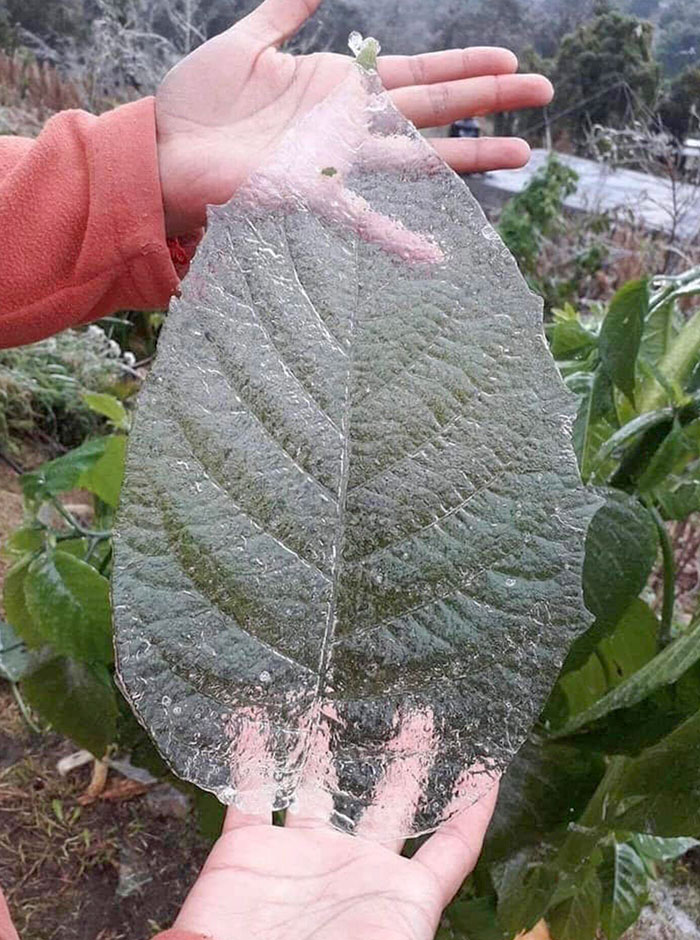
#1 Ice Sheet From A Leaf

© Photo: reddit.com

It's winter right now in the Northern Hemisphere, and just this morning, I saw a post about how the darkest 10 weeks of the year are finally over. The five weeks before the winter solstice and five weeks after it are the darkest 10, with December 21 being the darkest day of the year in the Northern Hemisphere.

That's the day when astronomical winter begins. Meteorological winter starts on the 1st of December, and people living in the Northern Hemisphere have already seen their fair share of crazy winter weather.

Sweden reported their lowest temperature in decades, at a whopping -48F on January 5th. The U.S. reported freezing temperatures of -30F from the northern Rockies, northern Kansas, and Iowa.

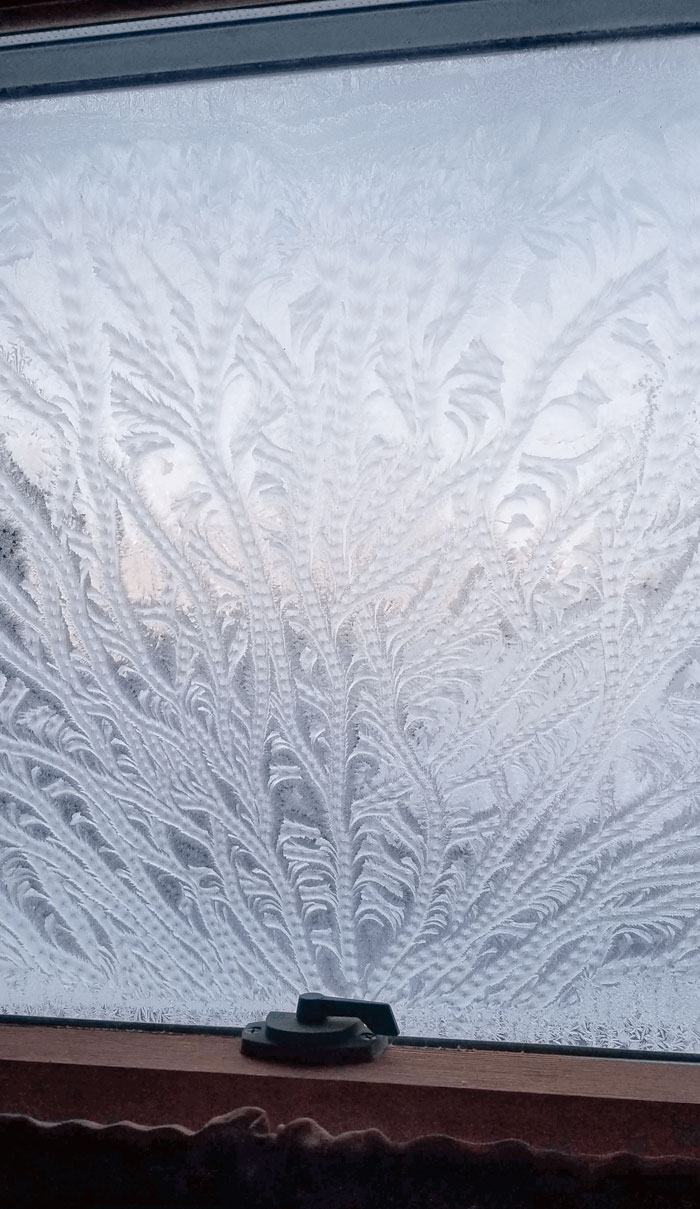
#2 Whenever It Freezes This Happens To Our Spare Bedroom Windows

© Photo: User

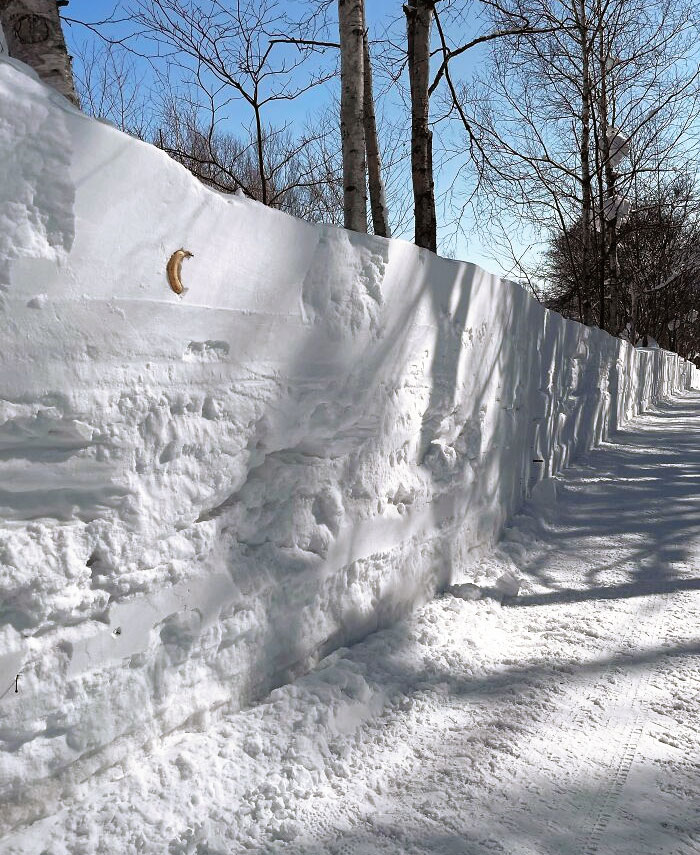
#3 Accumulated Snow Depth Outside My House (Banana For Scale)

It's more than 15 bananas high. I measured this morning. We'll likely get a fair bit more snow, but it's also starting to warm up a little in the daytime, so this is probably the maximum for this season. For those who still think in the old-fashioned measurement systems, it’s about 230 cm or 7 and a half feet.
© Photo: okuboheavyindustries

So Bored Panda reached out to a professional in the field – Meteorologist Andrew Markowitz. Lately, he too has been covering the shenanigans of the Arctic Blast in the U.S. on his TikTok channel, which has over 97k followers and 1.4M views.

Much of what we see in these pictures can be the product of extreme weather. What exactly is an extreme winter? Andrew says that it all depends on the location. The best way to determine this, the meteorologist says, would be by calculating averages.

"If your temperatures are much colder than average (more than 5 degrees or so) or you get much more snowfall than normal, then that would qualify as an extreme winter. Sometimes, this can be localized or other times more widespread."

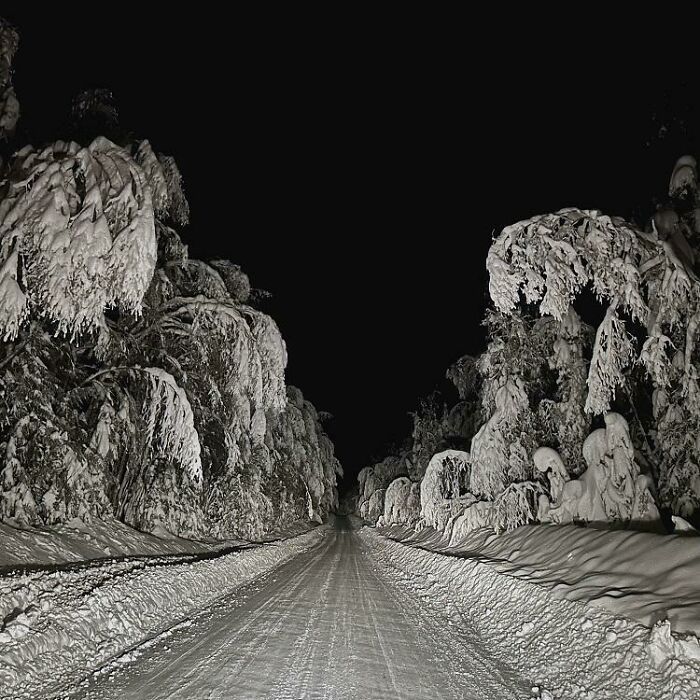
#4 I Took A Picture Of Our Road On A Winter Night
© Photo: ShawnBStudios

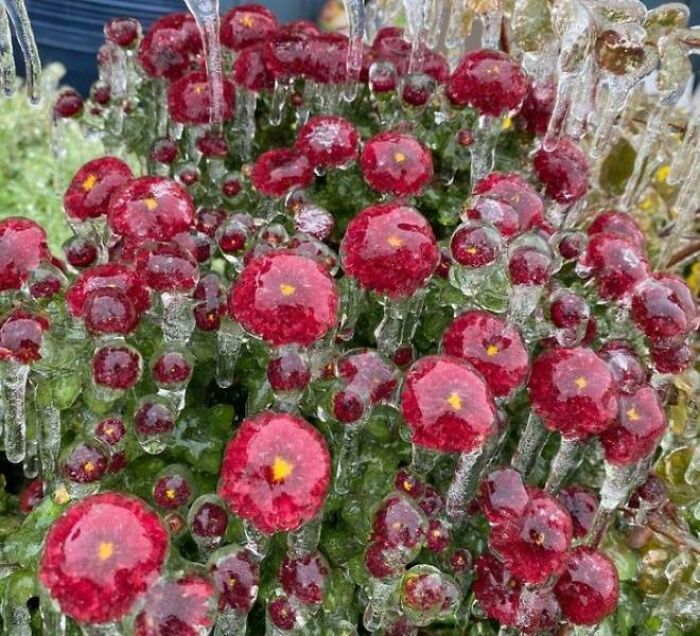
#5 Flowers After An Ice Storm
© Photo: reddit.com

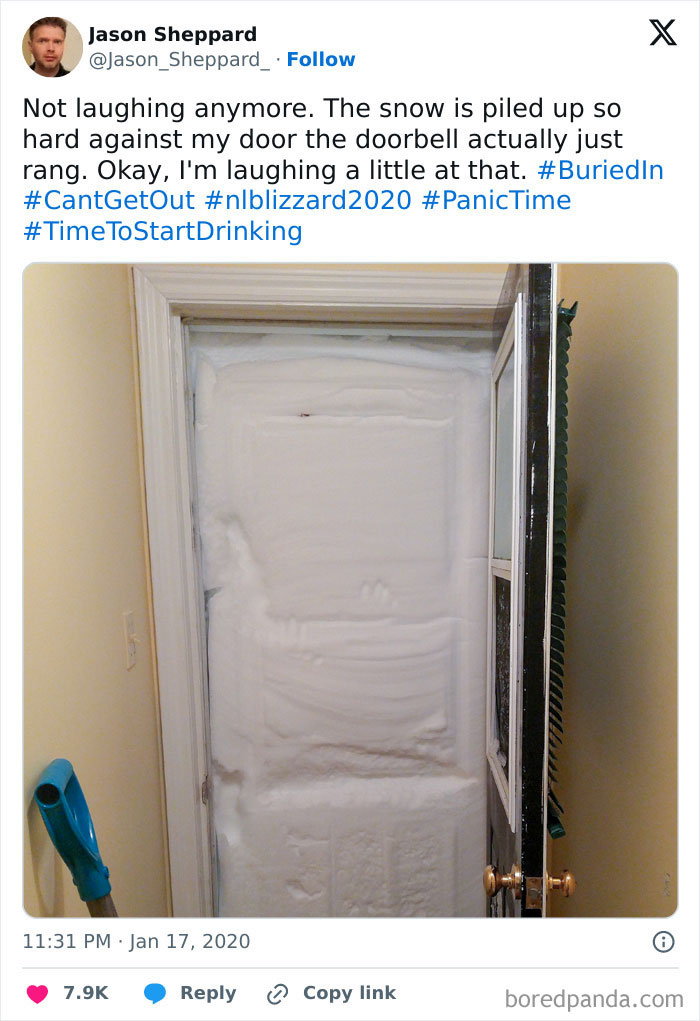
#6 That's Frightening
© Photo: Jason_Sheppard_

"Some regions are much more equipped to handle winter weather than others, which is what matters the most." These are places that have frequent cold winters, so they're better prepared for this kind of weather. "8 [inches] of snow or 10 degrees in Atlanta is much different than in Boston," the meteorologist explains.

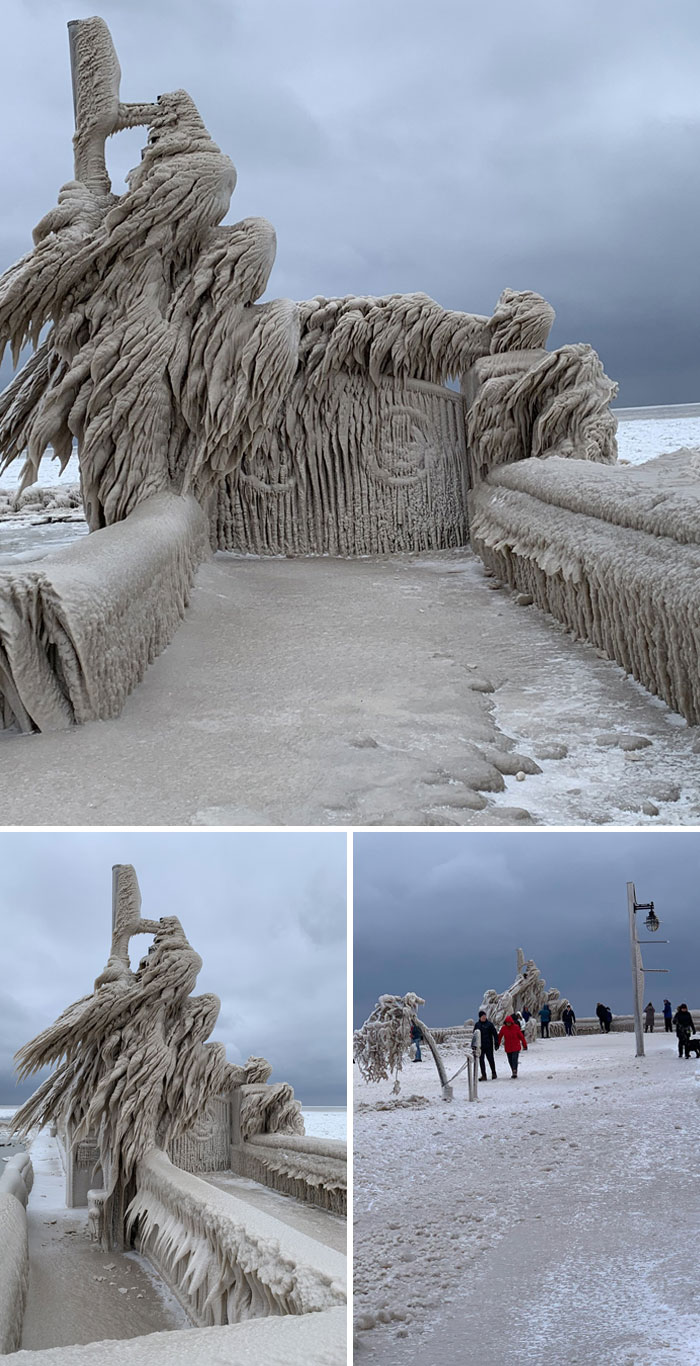
#7 Photos I Took In Port Stanley, Ontario Canada. Combination Of Severe Wind, Cold, Water And A Little Sand. The Base For Mother Nature’s Sculptures Was A Gate And Lamp Posts On A Pier
© Photo: HubertVan

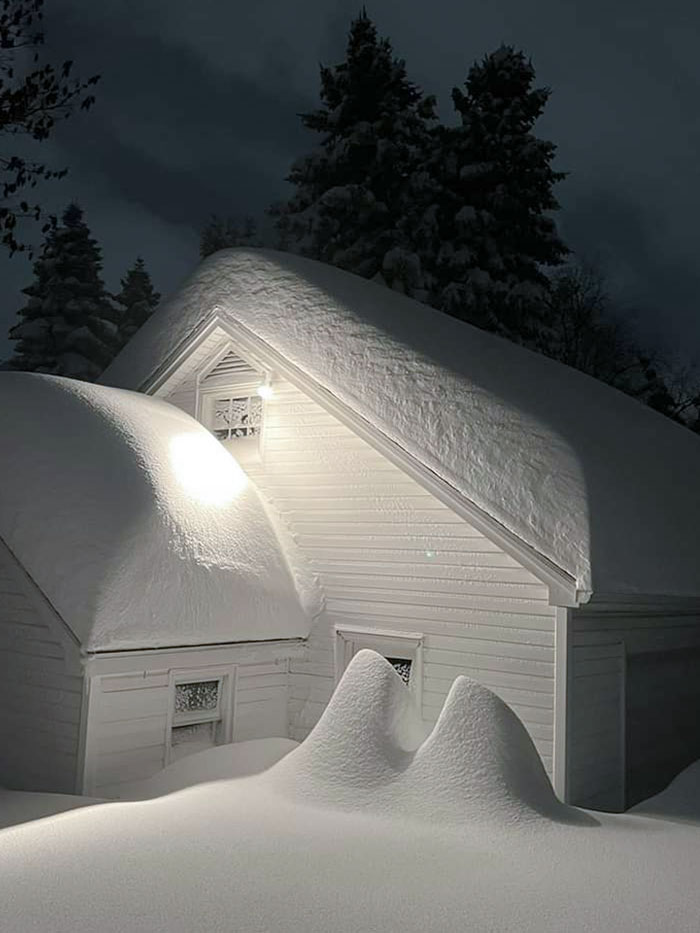
#8 Freshly Fallen Snow
© Photo: Mjanzalone

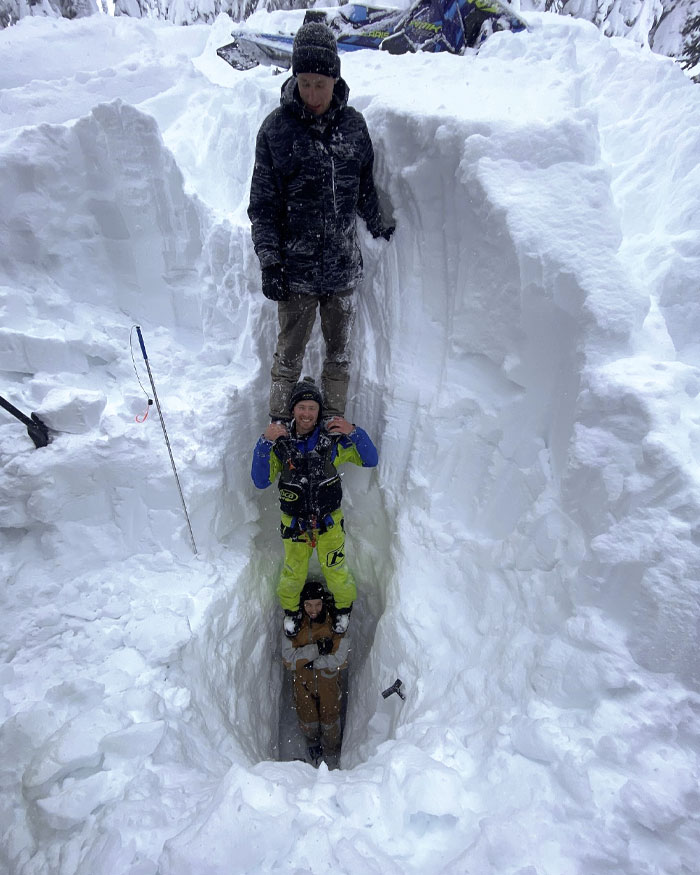
#9 How About That For A Snow Depth?
© Photo: willd14

When we read about extreme cold during winter, one thing might pop up in our minds. Why is it so cold if the scientists say every year gets progressively hotter? As we mentioned earlier, 2023 was the hottest year in history. And US scientists are predicting that 2024 might be even hotter. Climate change is the reason behind this phenomenon, and we asked Andrew to give us a quick rundown of how it is affecting extreme winter events.

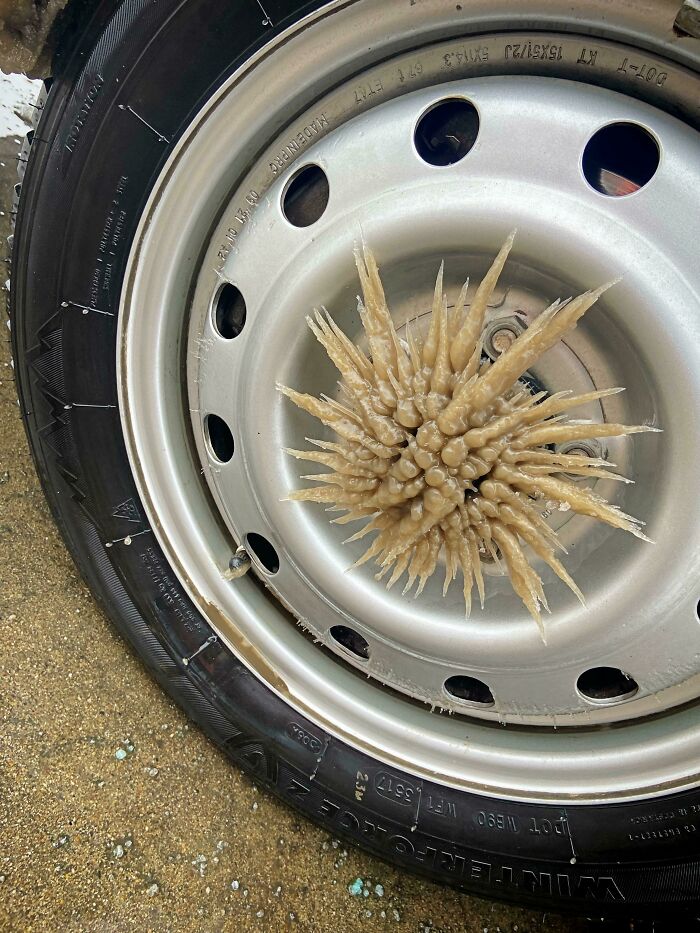
#10 Strange Ice Pattern On The Car After Driving Through A Blizzard
© Photo: xhilaryx

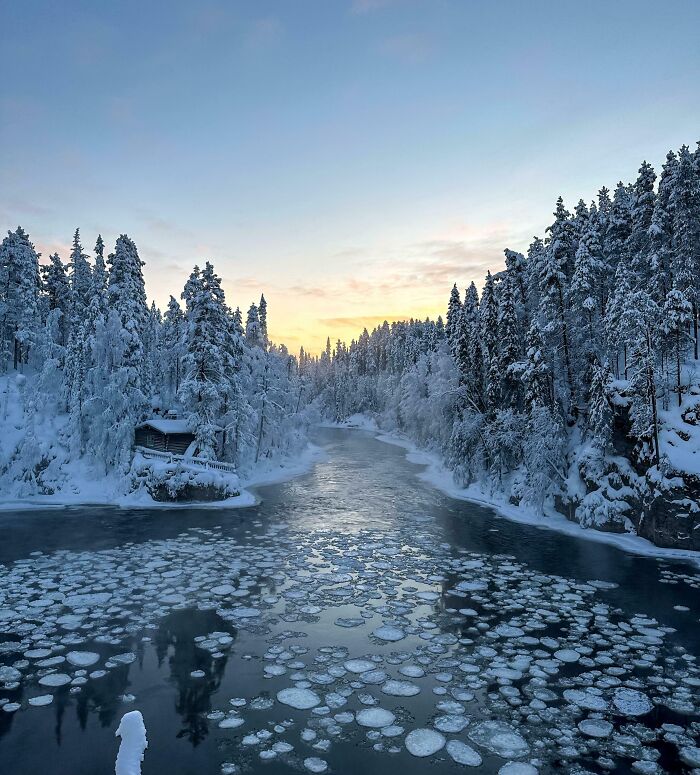
#11 Oulanka National Park, Finland (-23°C/-9°F)
© Photo: katiya

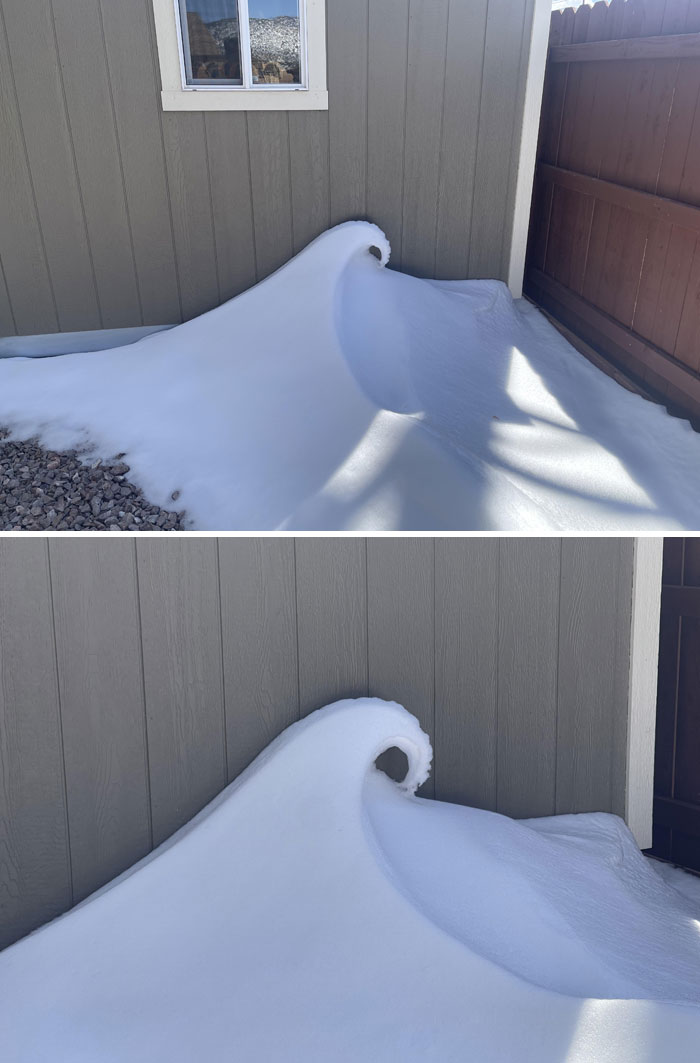
#12 This Snow Drift On The Side Of A Shed
© Photo: QuasarMaster

The first factor that influences extreme winters is the loss of Arctic sea ice. "Warming is occurring faster in the Arctic than anywhere on the planet, and this is the most noticeable impact we're seeing," Meteorologist Andrew Markowitz says. 

"Faster warming in the Arctic generally leads to warming temperatures worldwide, but [it] also can disrupt the jet stream, which would support continued extreme cold 'Polar Vortex' events. Winters will likely be milder, but extreme cold snaps will still happen," Andrew adds.

#13 The Way The Snow Melted Off My Porch
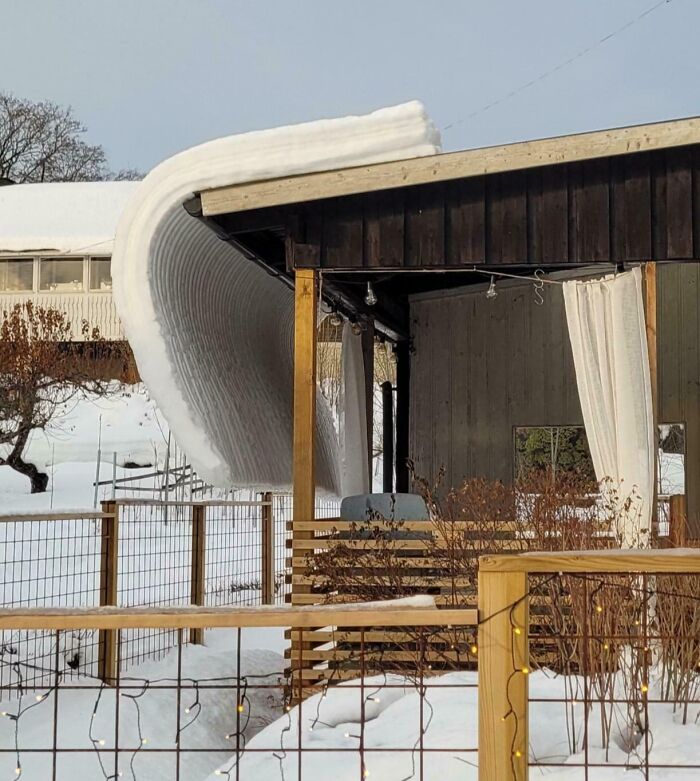
© Photo: awstrom

#14 Surfer After Riding Waves In Lake Superior During Polar Vortex
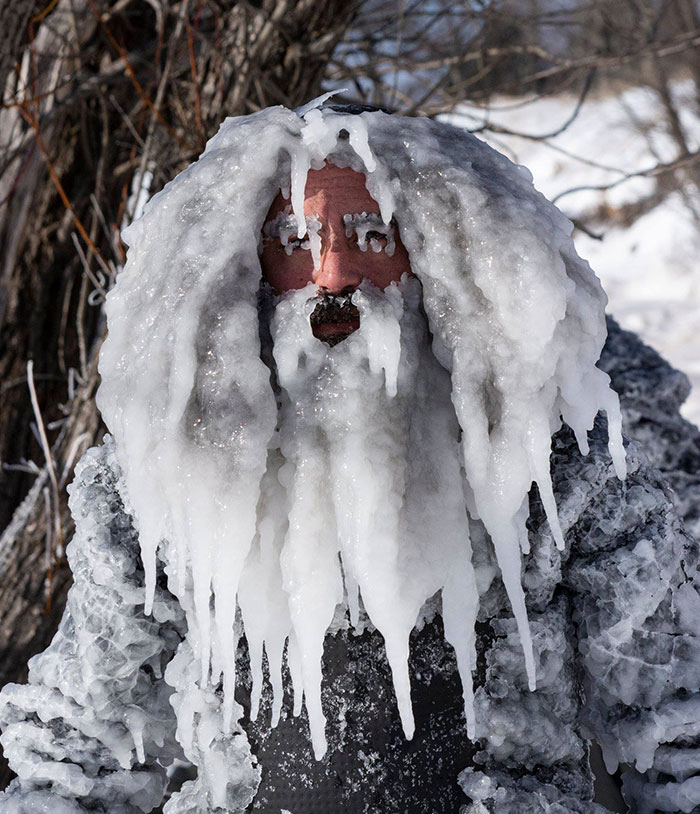
© Photo: Devon Hains Photography

#15 Great Way To Measure Though
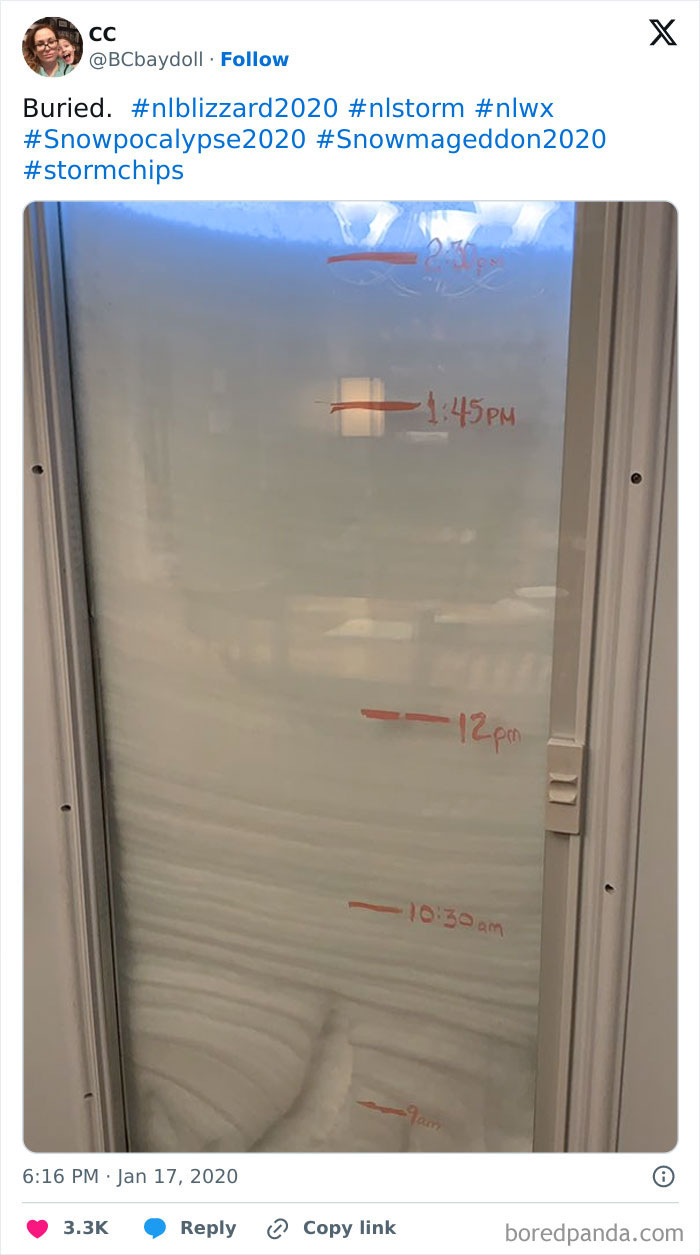
© Photo: BCbaydoll

Warmer sea-surface temperatures are the second factor. Andrew tells Bored Panda that, due to climate change, rain might replace snow in seaside areas. "In areas closer to the coast, this means that snowstorms at 31 or 32 degrees would instead become rainstorms at 33 or 34 degrees with an easterly wind," Andrew explains. "So those marginal events that at one point were snow will more likely be rain. It could also argue for more intense lake-effect snow events."

#16 Freezing Temperatures And Strong Winds Have Created Breathtaking Formations Of Ice In Lithuania’s Resort Town Nida
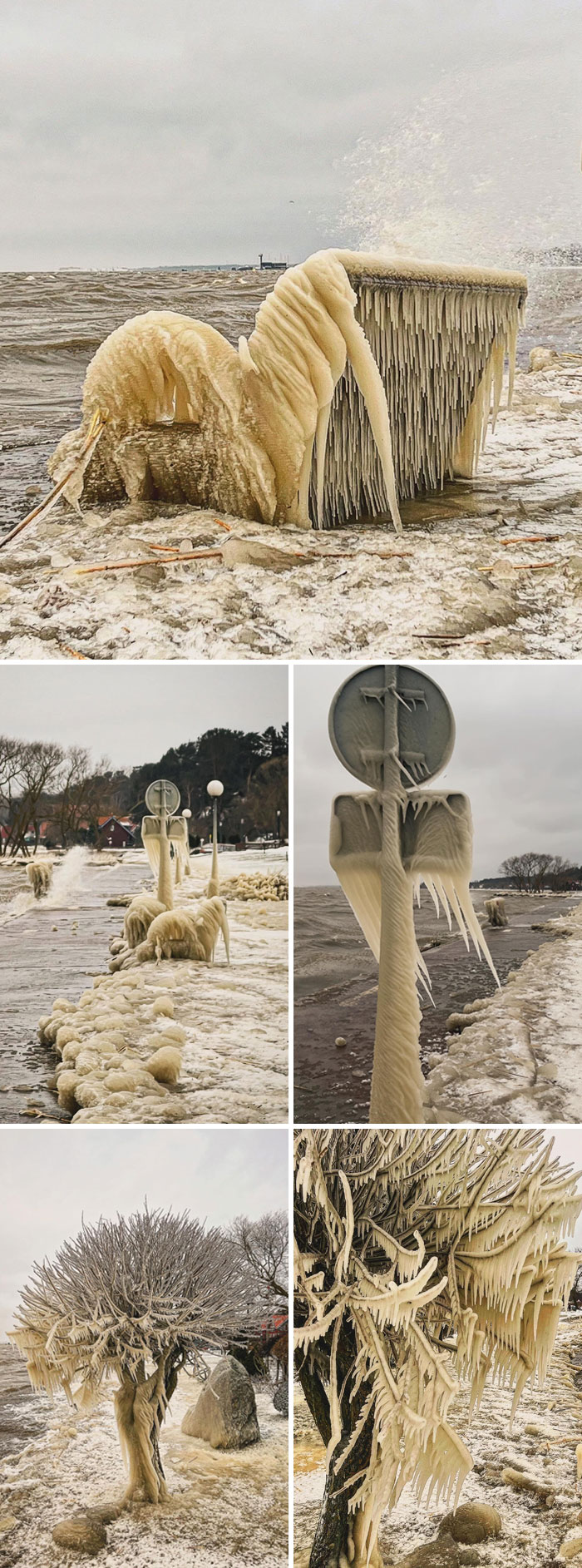
© Photo: Antanas Miežanskas

#17 Frozen Snow Lift At Big White Ski Resort, British Columbia, Canada
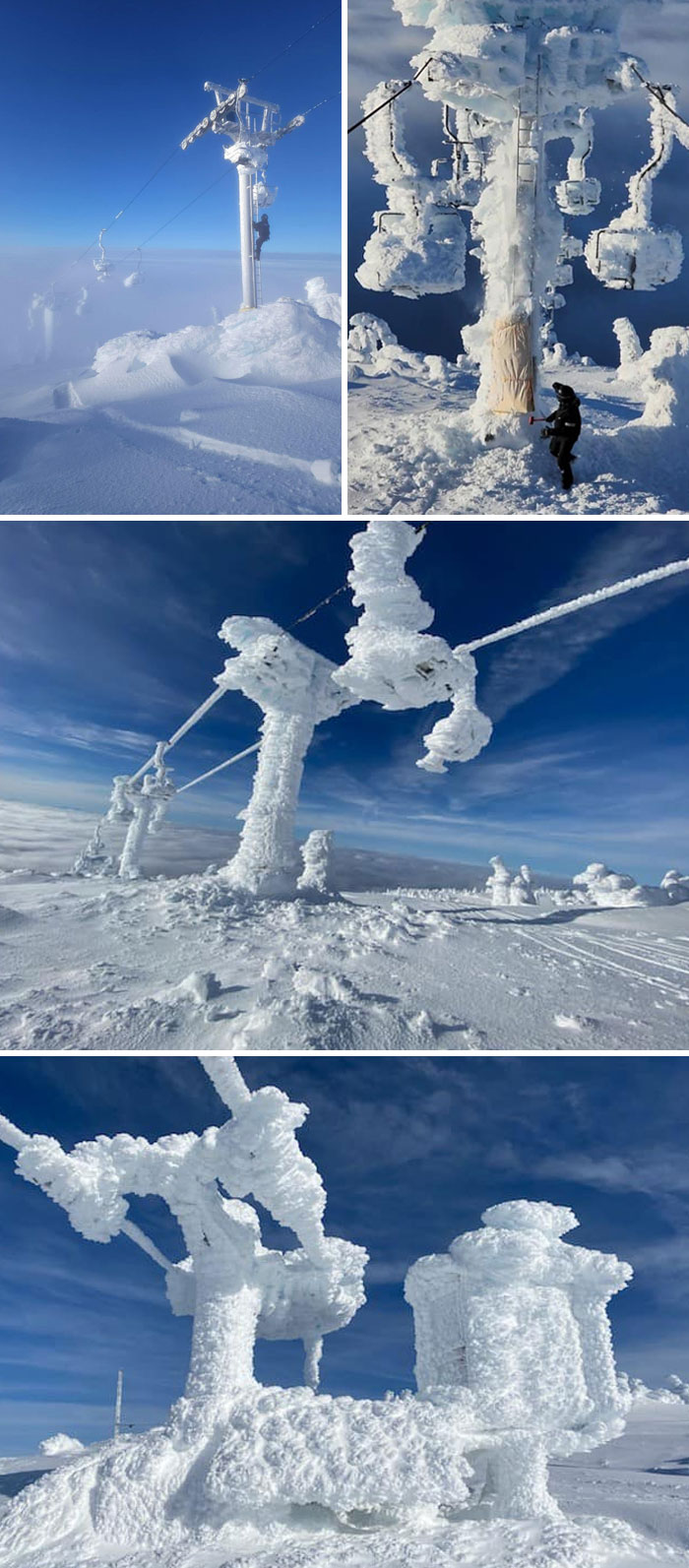
© Photo: Official Big White Group

#18 This Is Tony - Our 5’10” Terrain Parks Day Lead Extraordinaire. This Is Also The Snow Bank In C-Lot. How Many Feet (Or Tonys) Tall Do You Think It Is?
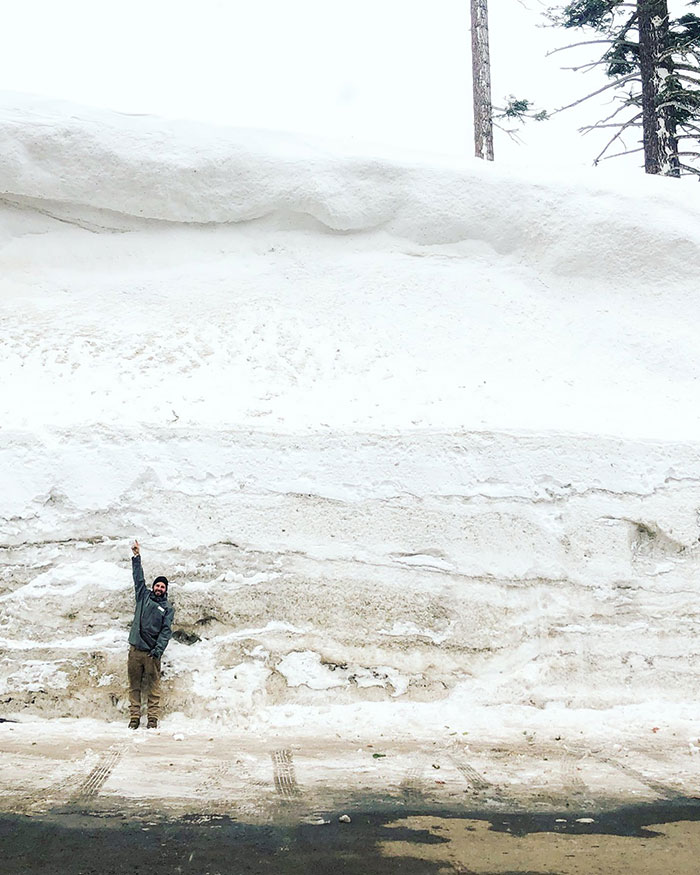
© Photo: Sierra-at-Tahoe

The third factor is that, most likely, we will be seeing less and less snow. "Median snowfall in general is likely to decrease, and there will be fewer snow events per winter, as well as more really low snow winters," Andrew goes on. "However, big snowstorms would still occur and perhaps could have a higher ceiling, with more moisture in the atmosphere due to warming."

#19 That's A Whole Iceberg
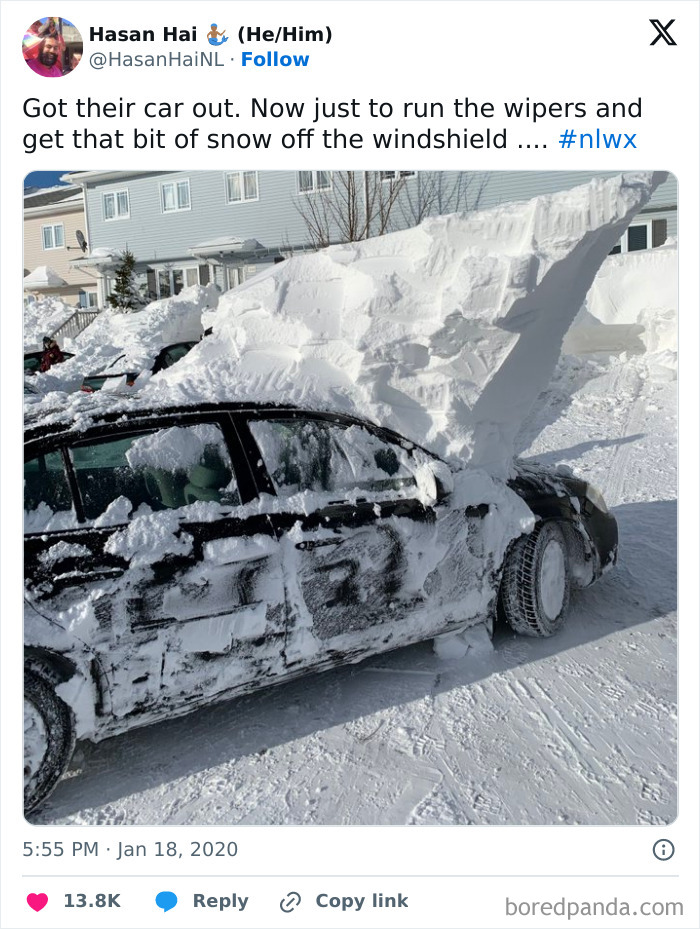
© Photo: HasanHaiNL

#20 Snow Removal In Montenegro, Durmitor Mountain, Mid April
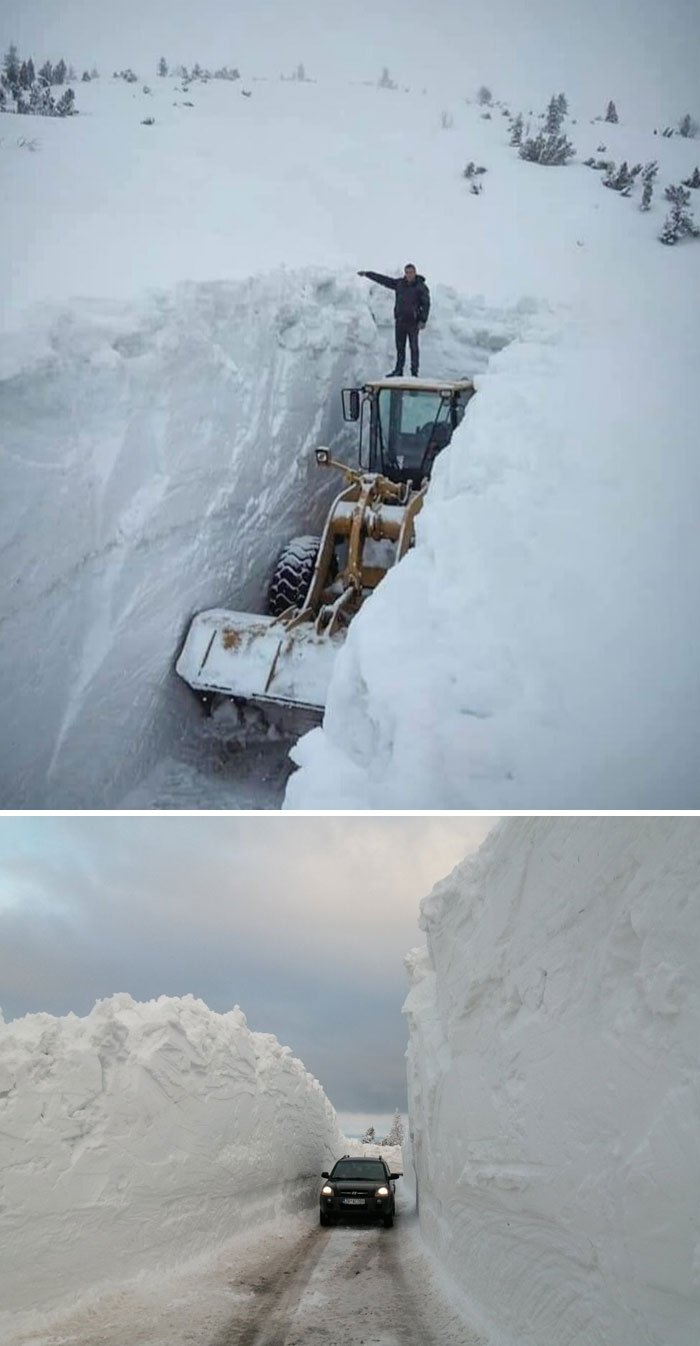
© Photo: _Harpija_

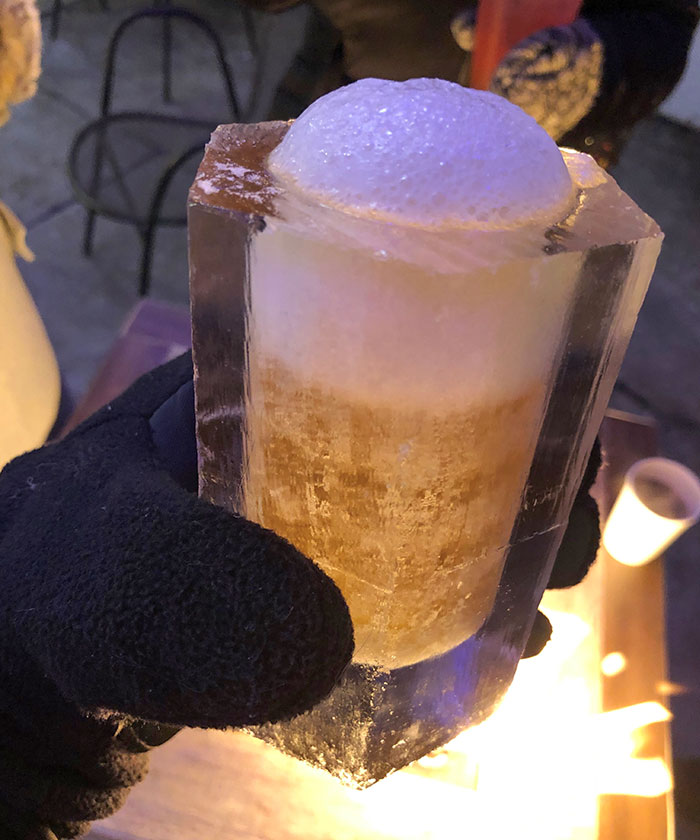
#21 Why Bother With A Beer Glass When You Can Just Use Ice
© Photo: CaptainWisconsin

"Meteorology was my lifelong passion, and I think my purpose in life is to keep people informed and safe from natural disasters," Andrew tells us when we asked him what inspired him to become a meteorologist. When we think 'meteorologist,' most of us probably associate it with weather presenters. But Andrew has found a new way to reach out to people: TikTok.

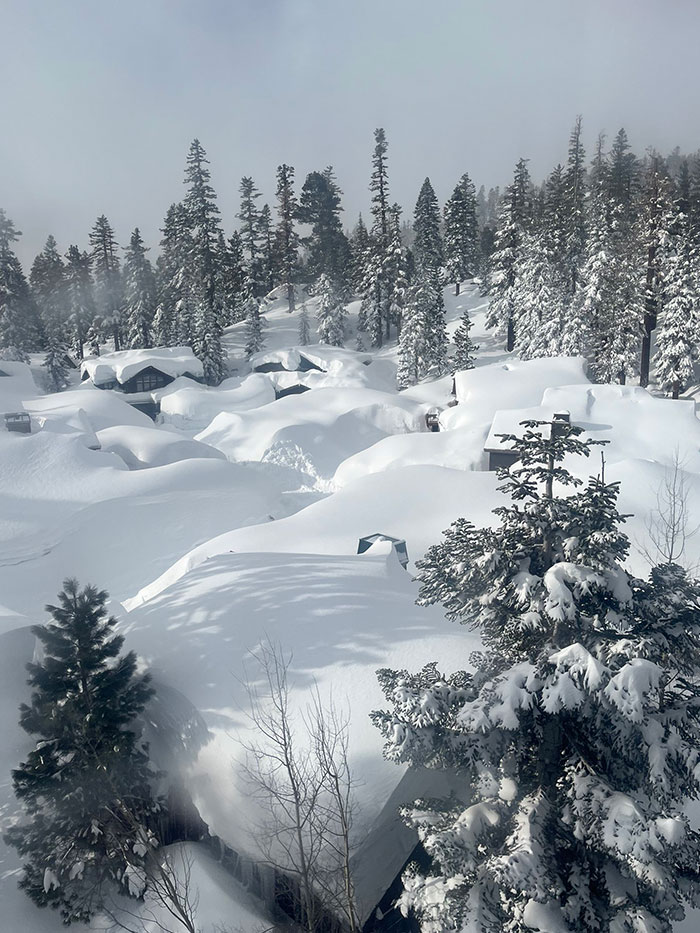
#22 I’m Up In Mammoth Now And The Amount Of Snow Here Is Amazing. This Is A Photo My Son Took From The Gondola Up To The Mountain Today
© Photo: LPRamsey

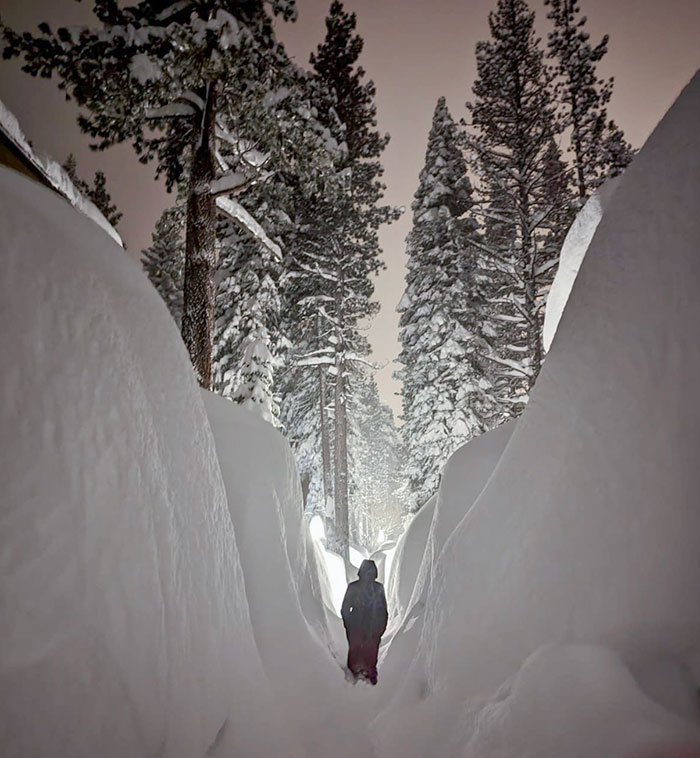
#23 My Walk Home This Evening
© Photo: michellerdixon

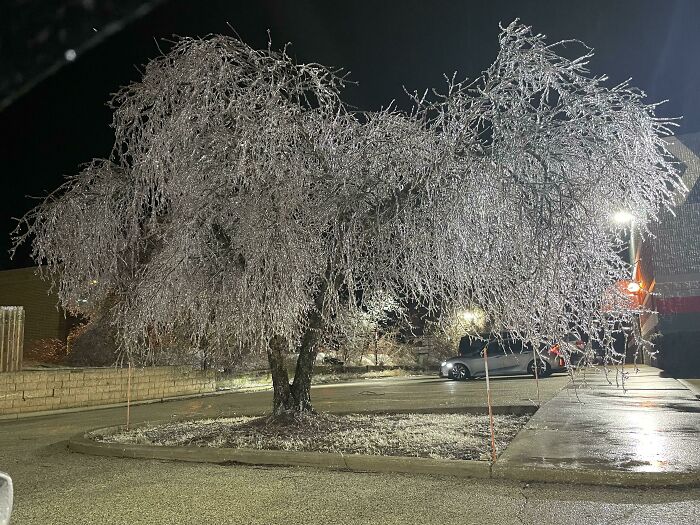
#24 This Tree After An Ice Storm In Illinois
© Photo: Heres_your_Chippy

"I saw social media as a way to connect with people who may no longer receive weather from TV news (because of cord cutting) and are instead trusting less reliable sources," Andrew Markowitz explains his reasoning for using TikTok and Instagram to educate people. The less reliable sources, according to him, "include weather apps and hypesters who post extreme weather solutions with no scientific validity just for clicks."

#25 The Way The Snow On My Windshield Rolled Itself Up Like A Swiss Roll
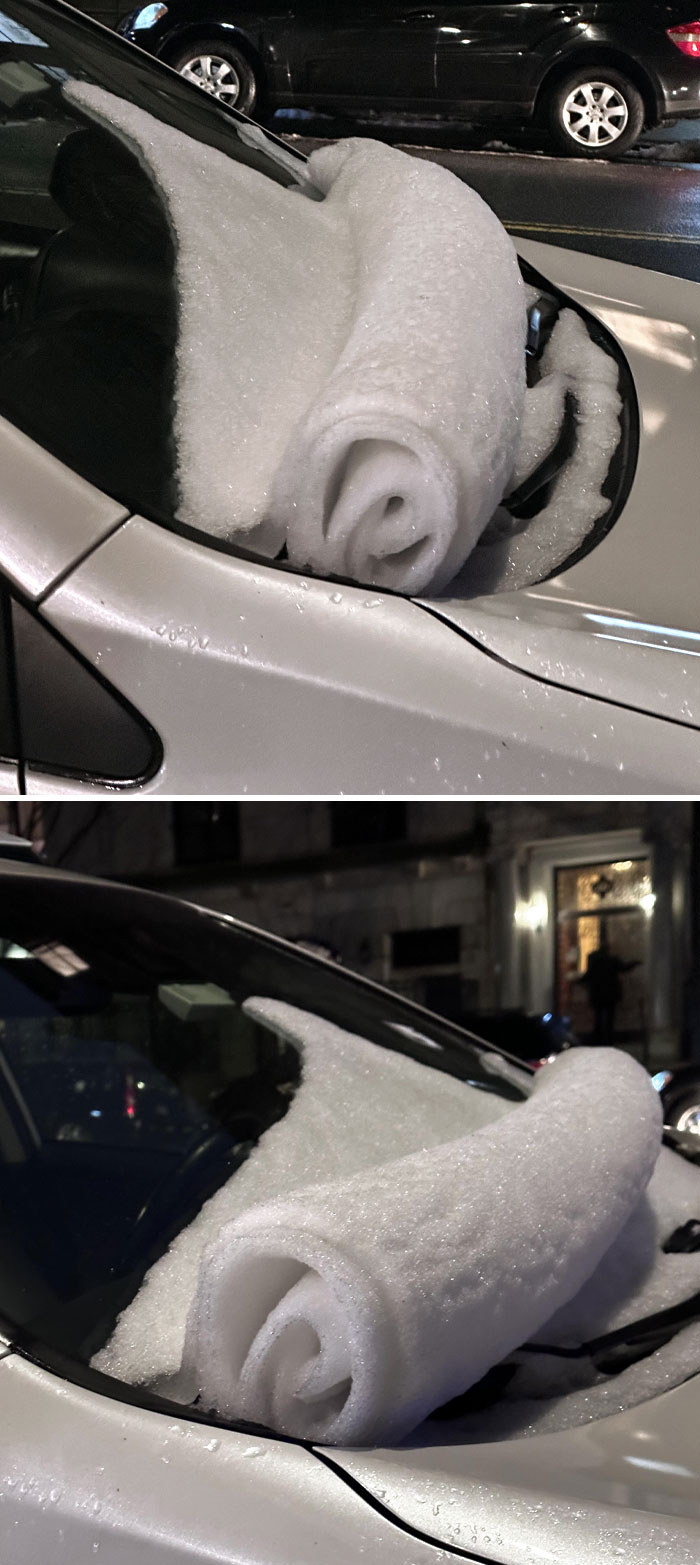
© Photo: Artane_33

#26 Home Depot Left The Sprinklers On Overnight In Freezing Weather
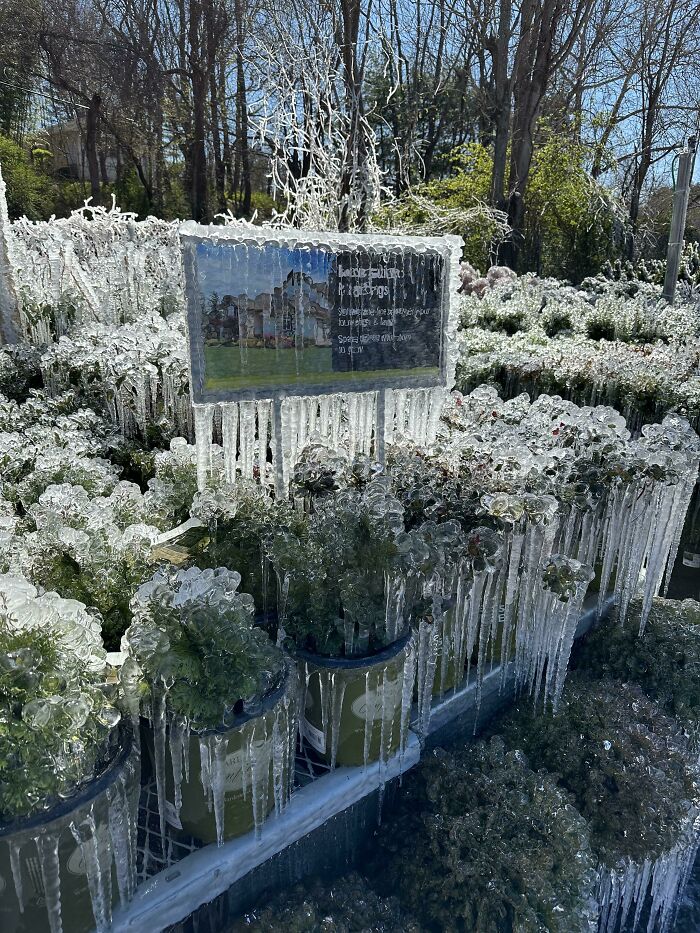
© Photo: mangoklutz

#27 Our Incredible "Iceman", Shane Wolken, Has Taken The Challenge! A Photo Capturing This Brave Feat - Washing The Crane In Frigid Temperatures To Protect It From Long-Term Damage
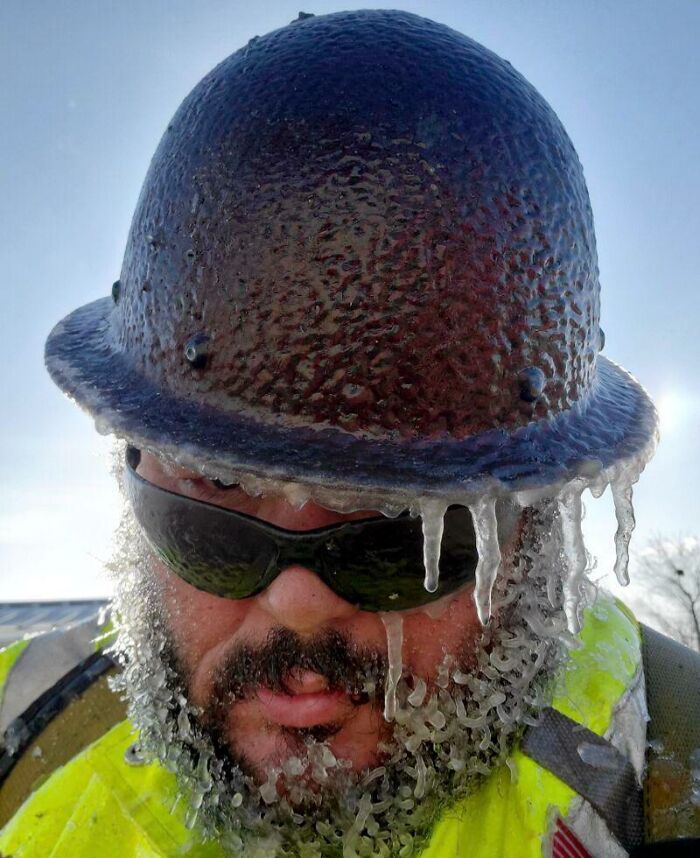
© Photo: Mike Grantz

"With TikTok, I felt that this was a niche that no one had captured, and your videos could theoretically reach anyone in the world," Andrew explains his fascination. "It's very easy for misinformation to spread like wildfire without any kind of vetting, so I believe it's important for scientists to be on these platforms to spread accurate info," he adds.

#28 Canadian Winter
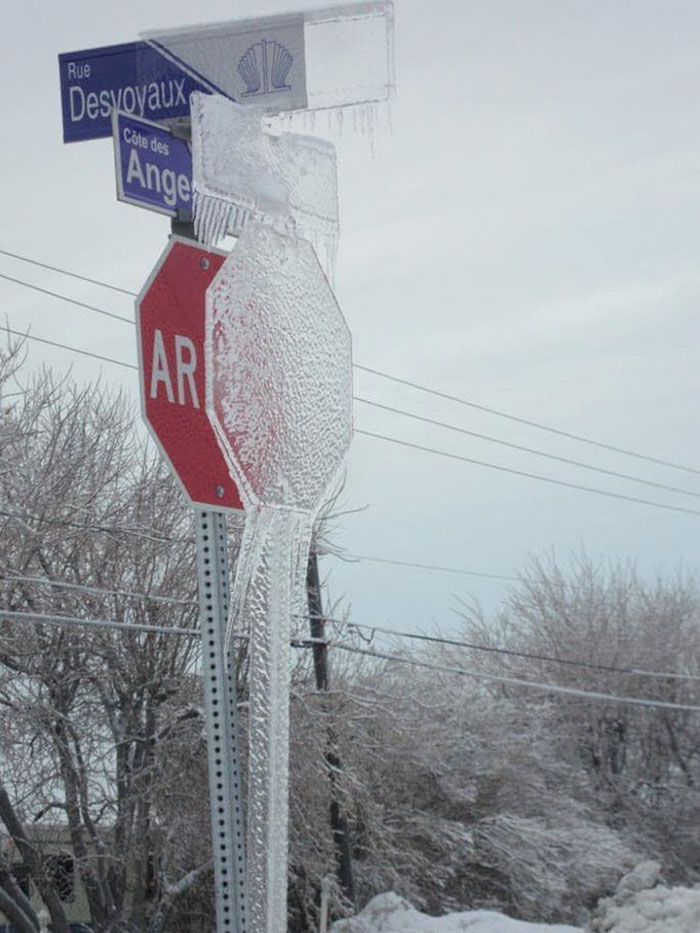
© Photo: DazedlyAppoint47

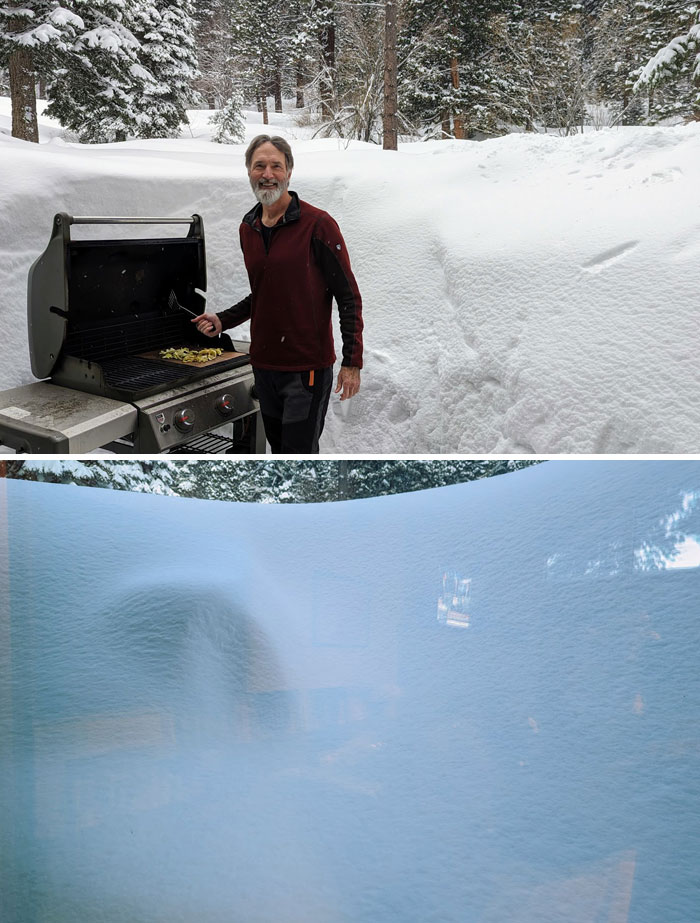
#29 I Used The Grill On Sunday Night, But I Lost It Now. Working On A Plan To Find It Today
© Photo: TahoeGuyM

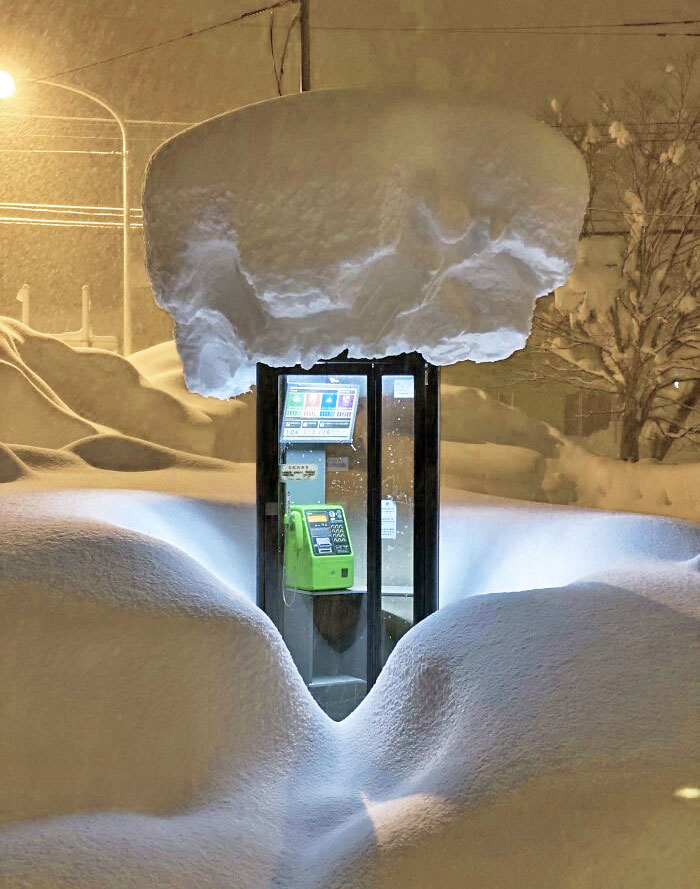
#30 Snowfall In Hokkaido, Northern Japan
© Photo: tak_tatata

Andrew is definitely right on the topic of misinformation about science online. According to the public interest research organization Advance Democracy, in 2023, there has been a surge in the amount of content denying climate change. The social media platform X (formerly Twitter) is the biggest culprit, as the number of posts "more than tripled" for the second year in a row.

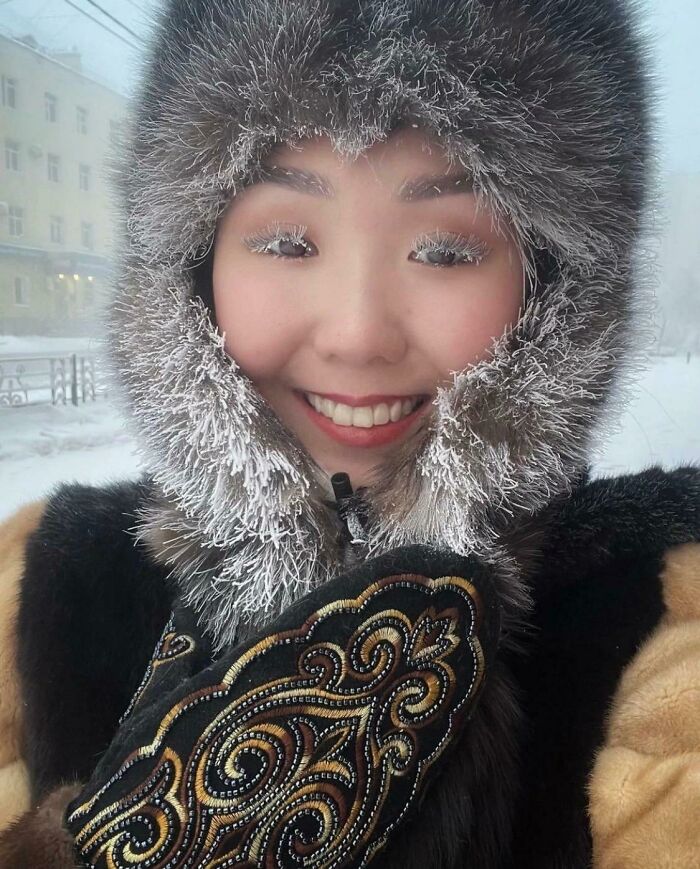
#31 -50 Degrees In Yakutsk, Russia
© Photo: pupsikandr

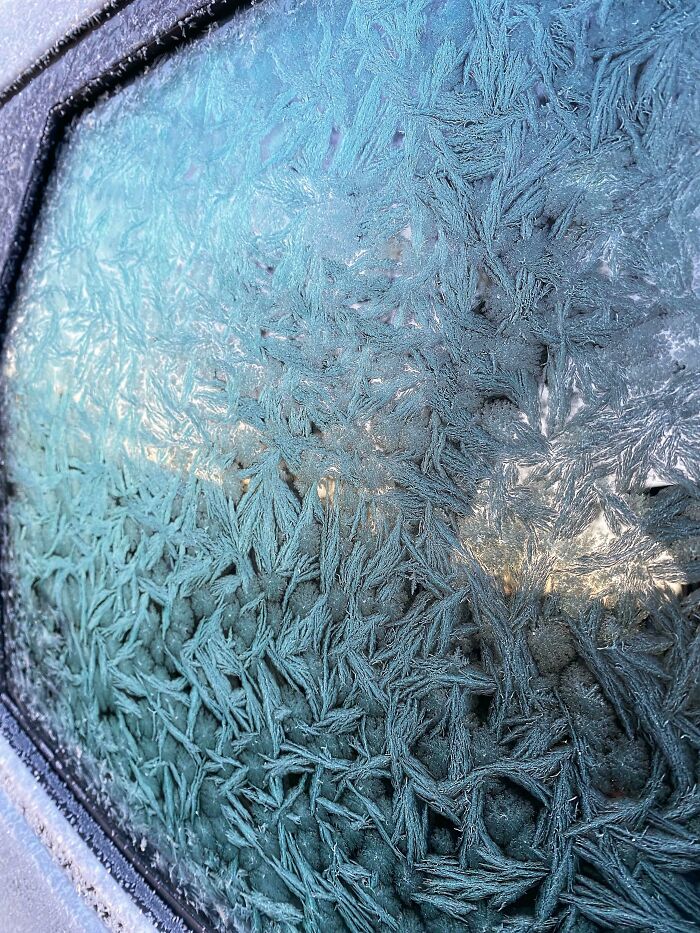
#32 The Frost On My Car Window This Morning
© Photo: vdall

#33 These Frozen Webs
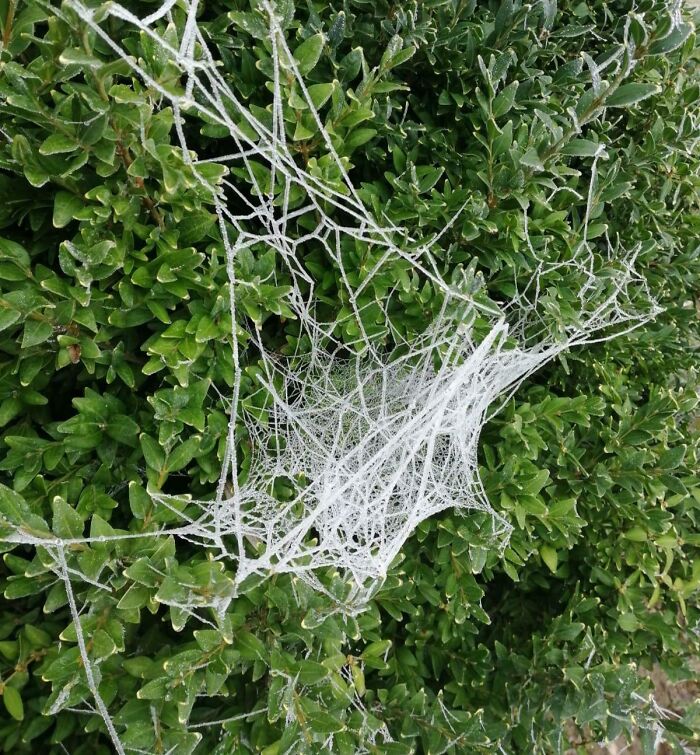
© Photo: pt_hime

#34 The Way The Snow Melted On This Pole
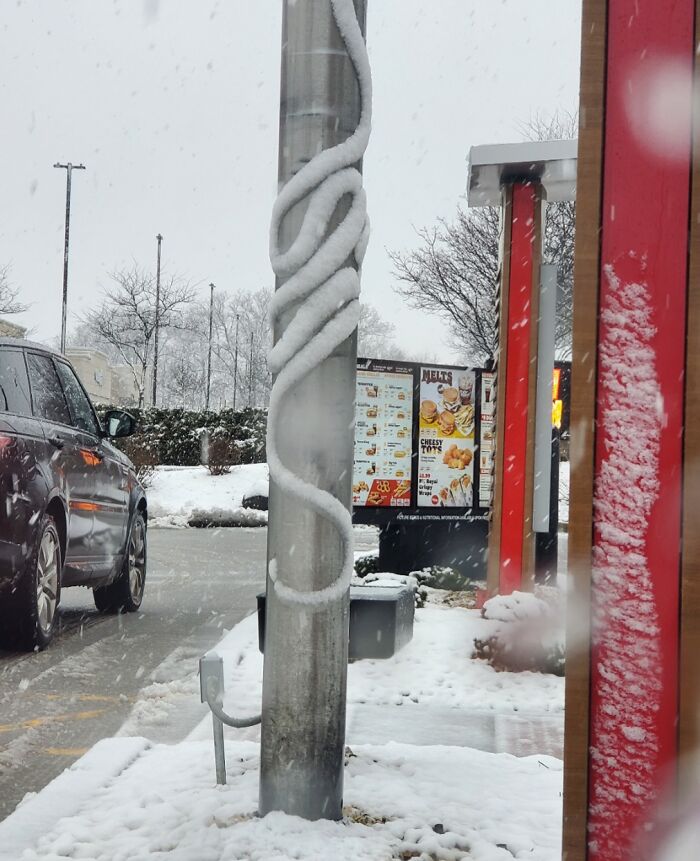
© Photo: teenypanini

#35 Sister's Boyfriend Cracked An Egg On Our Front Porch. -28°C
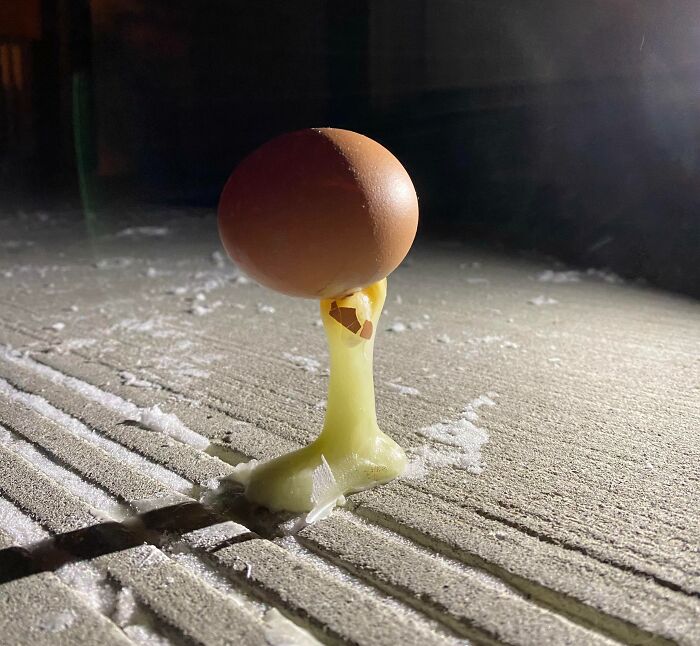
© Photo: absolutemonarch101

#36 California Snow
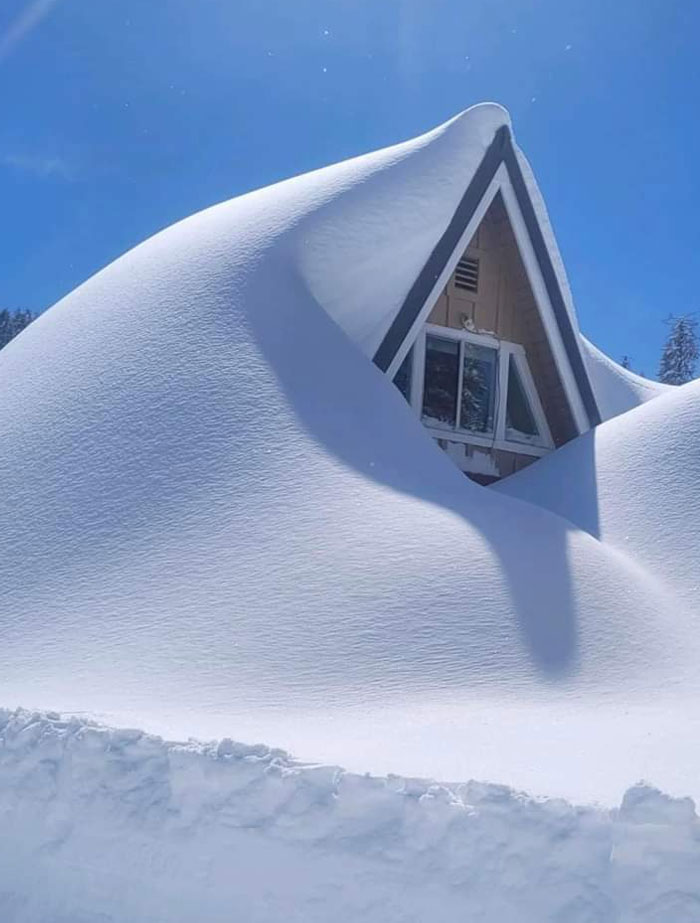
© Photo: EOtirolf

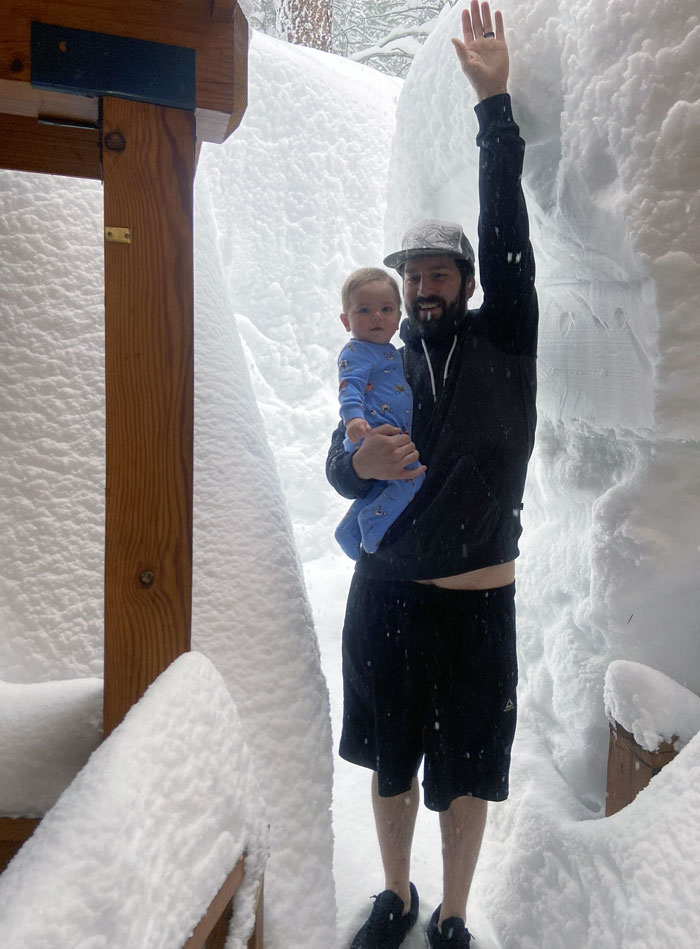
#37 Sent To Me By A Friend. Human For Scale
© Photo: TahoeWeather

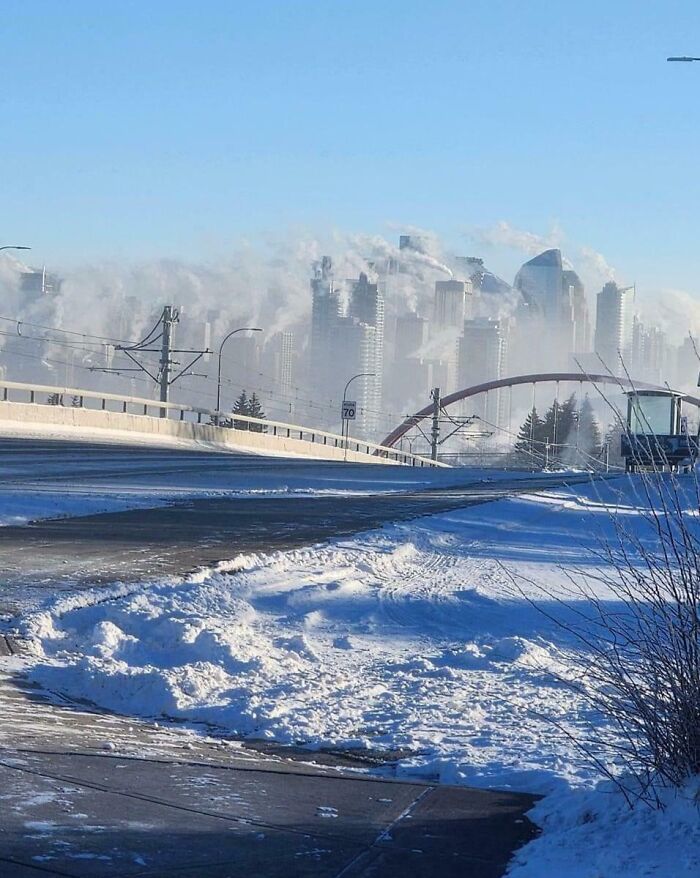
#38 Calgary, Alberta This Morning When It Was -30 Degrees
© Photo: 911_reddit

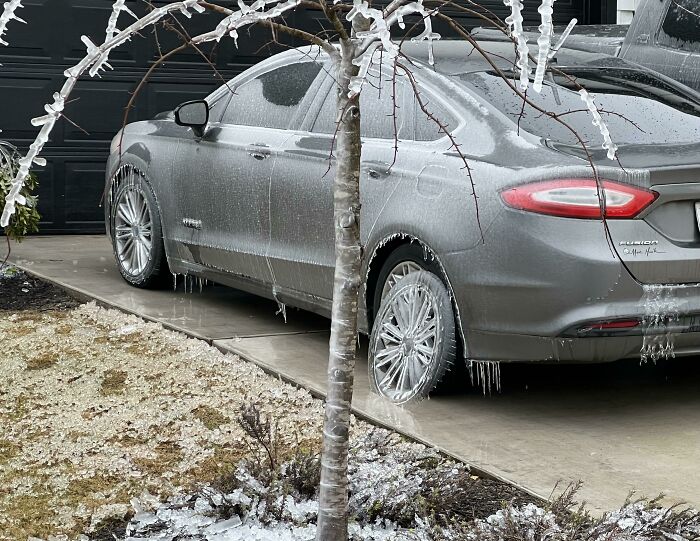
#39 This Ice Wheel In My Neighborhood
© Photo: JRDiesel

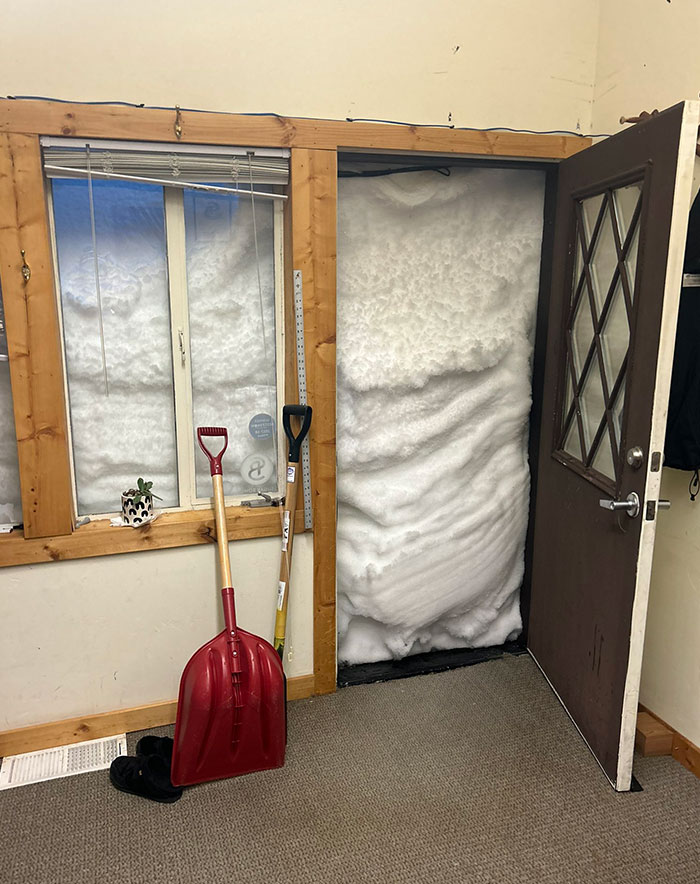
#40 Here Is The Entrance To The Marketing Office
© Photo: sugarbowlresort

#41 It Got A Little Icy In My Neighborhood
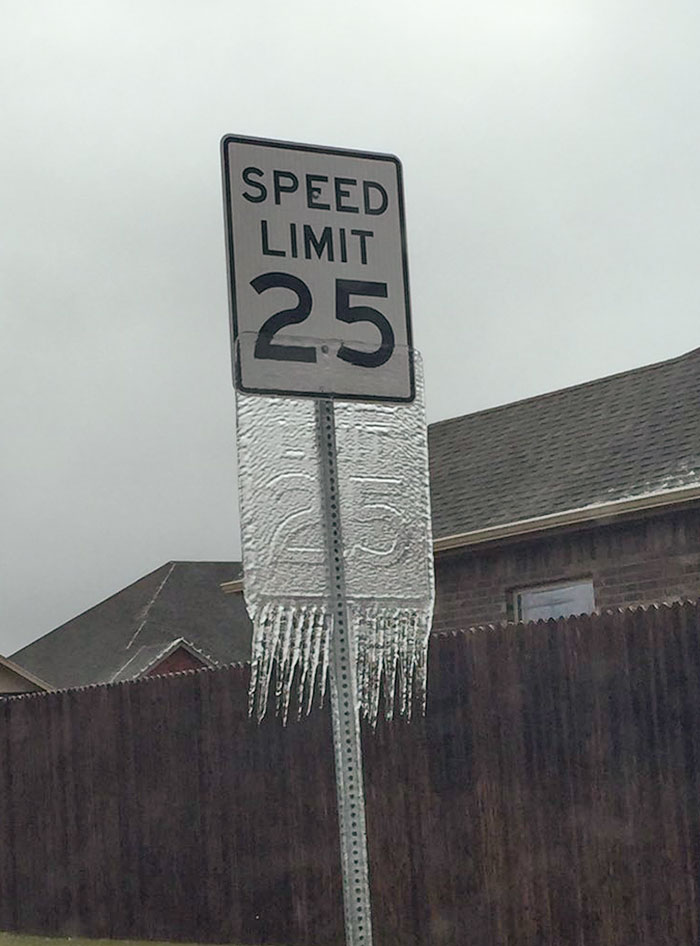
© Photo: barbiereif

#42 Picture I Took Of My Driveway During Day 2 Of Snowmageddon
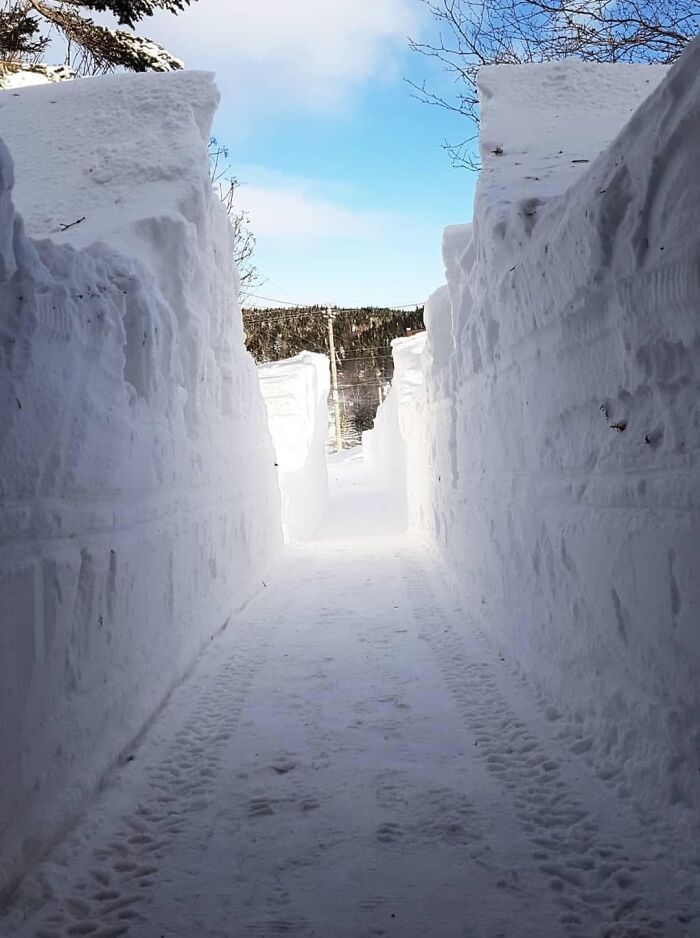
© Photo: OldCrow1892

#43 Geological Strata Of A Canadian Winter
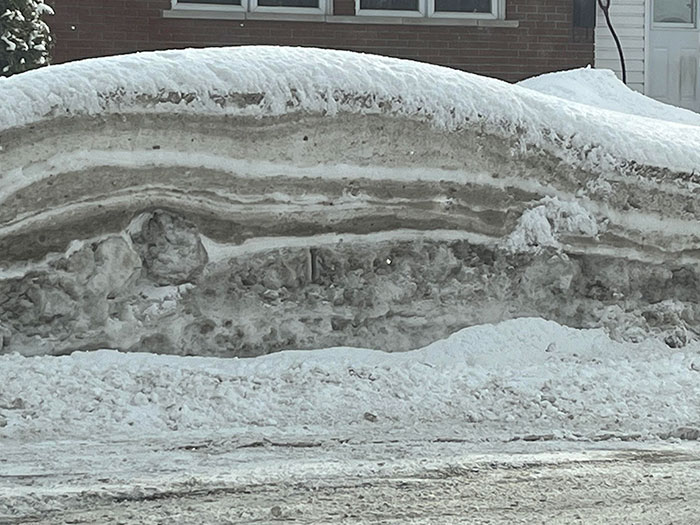
© Photo: fibonarco

#44 Cold Wave In Japan
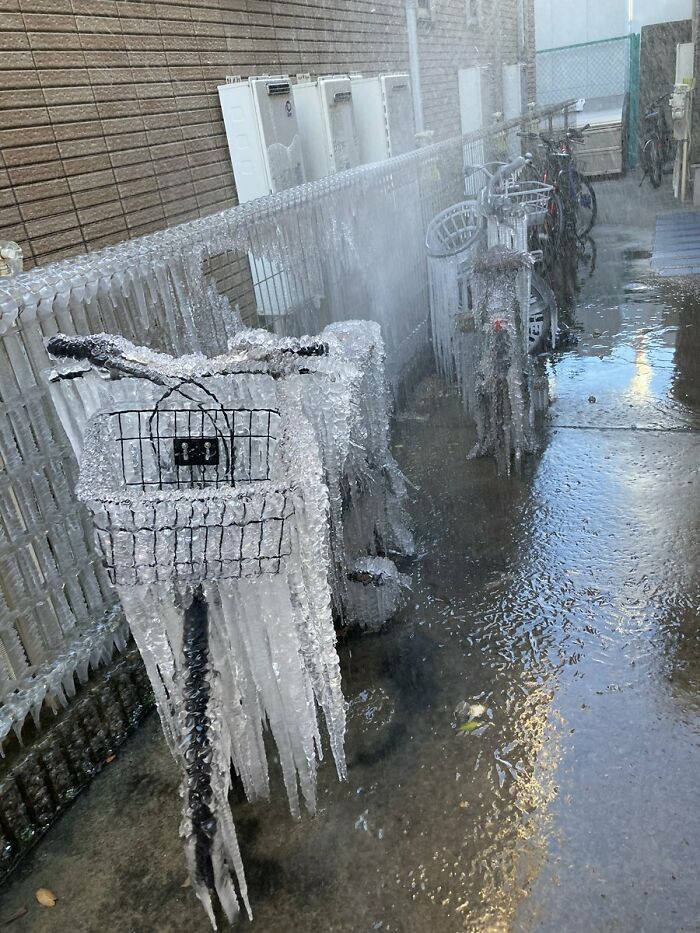
© Photo: green1

#45 That's 1/32 Of A Car
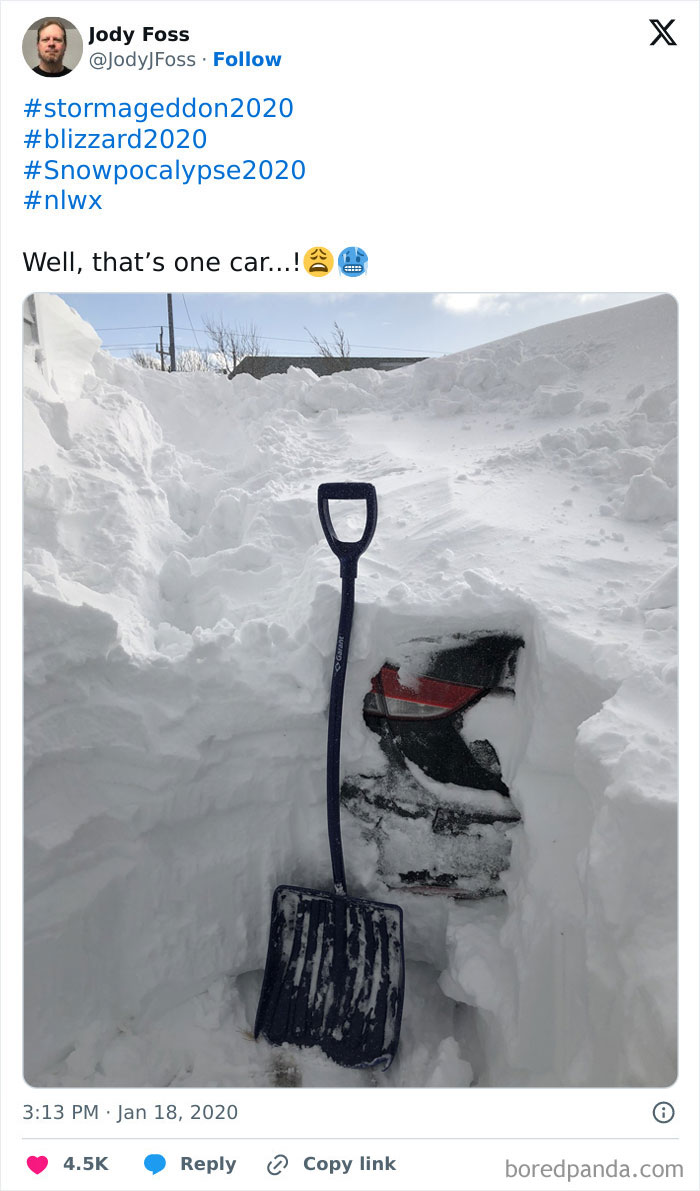
© Photo: JodyJFoss

#46 A Picture Of St. John’s, NL, After The Snowstorm Yesterday
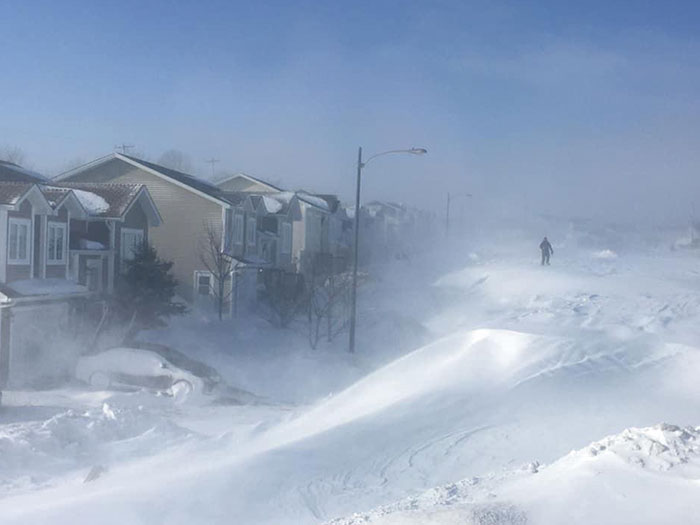
#47 There's Still A Little Bit Of Snow Piled Up At The Parents' Place In California (Near Tahoe)
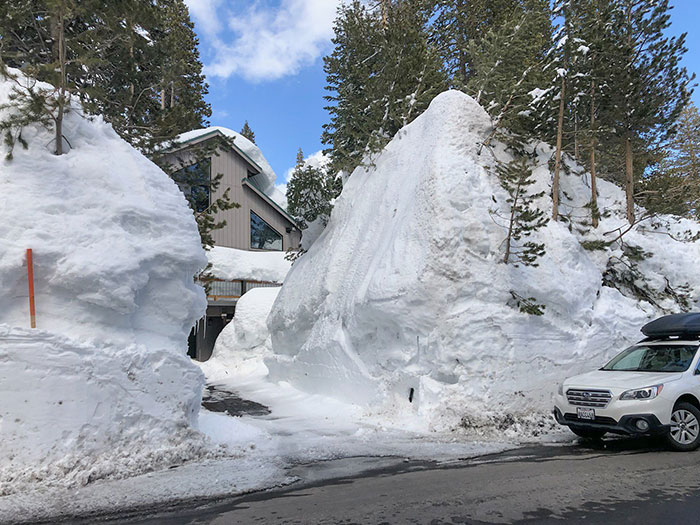
© Photo: Lanefab

#48 -15°F Adventure (Eagle River, Alaska)
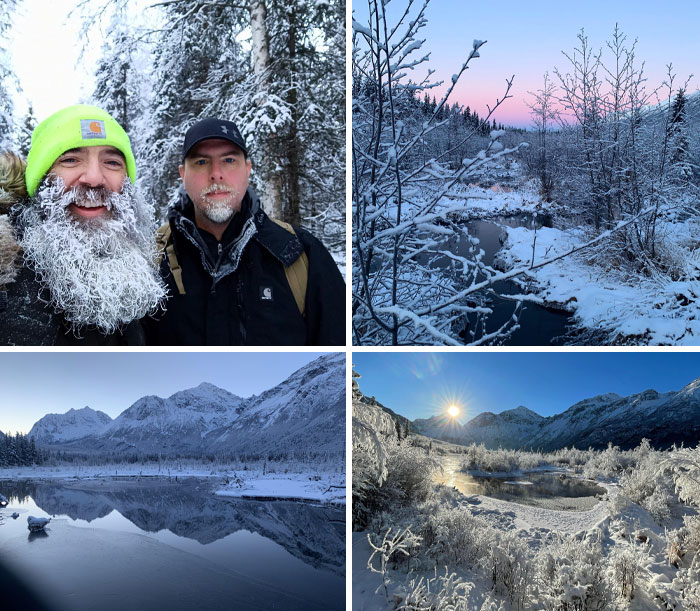
© Photo: Wandering_Alaska

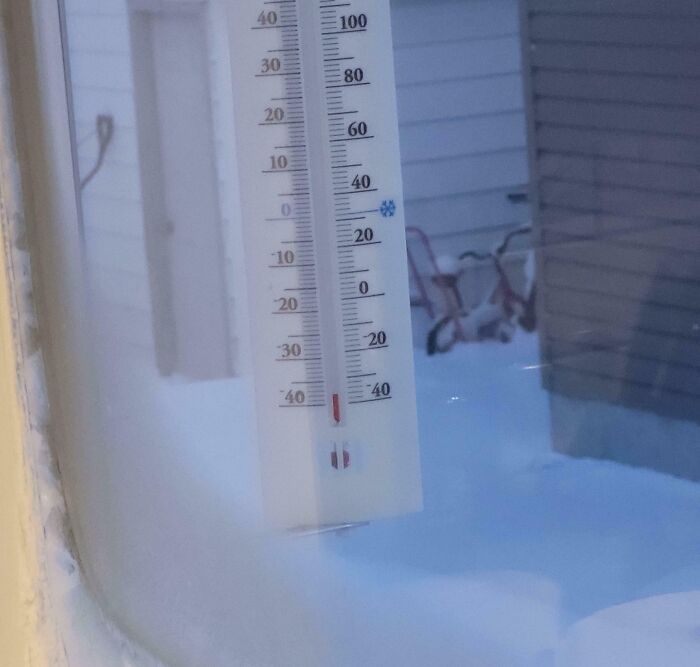
#49 My Thermometer Has Bottomed Out. Actual Temperature Is -44°C
© Photo: iamfromcanadaeh

You Might Also Like: 40 Times Elderly People Proved That They’re The Funniest


from Bored Panda https://ift.tt/5OTsnwN
Freeze! No, that wasn't a command; that was an exclamation, you don't actually need to freeze, pandas. If you're in the Northern Hemisphere right now, you're probably experiencing some crazy winter weather. And although 2023 was the Earth's hottest year recorded in history, it still had its fair share of winter storms. Even now, at the very beginning of 2024, we're experiencing lots of snow and icy conditions. Just two weeks ago, CNN wrote about why we still have extremely cold weather when the planet warms to record levels. One positive aspect of this worrisome trend is that this kind of weather can sometimes create some beautiful scenes out in nature and in our cities. That's why we're continuing our yearly trend of presenting you with lists of beautiful and sometimes chuckle-worthy pictures of winter doing its thing. Bored Panda reached out to Energy Meteorologist Andrew Markowitz. He's a science communicator on TikTok, Instagram, and Twitter (X) who talks about all things weather. He makes informative but entertaining videos explaining things like the Polar Vortex and El Niño, and he presents his viewers with fascinating bite-sized weather facts. We talked with Andrew about extreme winters, how climate change is affecting the seasons, and how he became a meteorologist. More info: Andrew Markowitz on TikTok | Instagram | Twitter (X) Click here & follow us for more lists, facts, and stories. #1 Ice Sheet From A Leaf © Photo: reddit.com It's winter right now in the Northern Hemisphere, and just this morning, I saw a post about how the darkest 10 weeks of the year are finally over. The five weeks before the winter solstice and five weeks after it are the darkest 10, with December 21 being the darkest day of the year in the Northern Hemisphere. That's the day when astronomical winter begins. Meteorological winter starts on the 1st of December, and people living in the Northern Hemisphere have already seen their fair share of crazy winter weather. Sweden reported their lowest temperature in decades, at a whopping -48F on January 5th. The U.S. reported freezing temperatures of -30F from the northern Rockies, northern Kansas, and Iowa. #2 Whenever It Freezes This Happens To Our Spare Bedroom Windows © Photo: User #3 Accumulated Snow Depth Outside My House (Banana For Scale) It's more than 15 bananas high. I measured this morning. We'll likely get a fair bit more snow, but it's also starting to warm up a little in the daytime, so this is probably the maximum for this season. For those who still think in the old-fashioned measurement systems, it’s about 230 cm or 7 and a half feet. © Photo: okuboheavyindustries So Bored Panda reached out to a professional in the field – Meteorologist Andrew Markowitz. Lately, he too has been covering the shenanigans of the Arctic Blast in the U.S. on his TikTok channel, which has over 97k followers and 1.4M views. Much of what we see in these pictures can be the product of extreme weather. What exactly is an extreme winter? Andrew says that it all depends on the location. The best way to determine this, the meteorologist says, would be by calculating averages. "If your temperatures are much colder than average (more than 5 degrees or so) or you get much more snowfall than normal, then that would qualify as an extreme winter. Sometimes, this can be localized or other times more widespread." #4 I Took A Picture Of Our Road On A Winter Night © Photo: ShawnBStudios #5 Flowers After An Ice Storm © Photo: reddit.com #6 That's Frightening © Photo: Jason_Sheppard_ "Some regions are much more equipped to handle winter weather than others, which is what matters the most." These are places that have frequent cold winters, so they're better prepared for this kind of weather. "8 [inches] of snow or 10 degrees in Atlanta is much different than in Boston," the meteorologist explains. #7 Photos I Took In Port Stanley, Ontario Canada. Combination Of Severe Wind, Cold, Water And A Little Sand. The Base For Mother Nature’s Sculptures Was A Gate And Lamp Posts On A Pier © Photo: HubertVan #8 Freshly Fallen Snow © Photo: Mjanzalone #9 How About That For A Snow Depth? © Photo: willd14 When we read about extreme cold during winter, one thing might pop up in our minds. Why is it so cold if the scientists say every year gets progressively hotter? As we mentioned earlier, 2023 was the hottest year in history. And US scientists are predicting that 2024 might be even hotter. Climate change is the reason behind this phenomenon, and we asked Andrew to give us a quick rundown of how it is affecting extreme winter events. #10 Strange Ice Pattern On The Car After Driving Through A Blizzard © Photo: xhilaryx #11 Oulanka National Park, Finland (-23°C/-9°F) © Photo: katiya #12 This Snow Drift On The Side Of A Shed © Photo: QuasarMaster The first factor that influences extreme winters is the loss of Arctic sea ice. "Warming is occurring faster in the Arctic than anywhere on the planet, and this is the most noticeable impact we're seeing," Meteorologist Andrew Markowitz says.  "Faster warming in the Arctic generally leads to warming temperatures worldwide, but [it] also can disrupt the jet stream, which would support continued extreme cold 'Polar Vortex' events. Winters will likely be milder, but extreme cold snaps will still happen," Andrew adds. #13 The Way The Snow Melted Off My Porch © Photo: awstrom #14 Surfer After Riding Waves In Lake Superior During Polar Vortex © Photo: Devon Hains Photography #15 Great Way To Measure Though © Photo: BCbaydoll Warmer sea-surface temperatures are the second factor. Andrew tells Bored Panda that, due to climate change, rain might replace snow in seaside areas. "In areas closer to the coast, this means that snowstorms at 31 or 32 degrees would instead become rainstorms at 33 or 34 degrees with an easterly wind," Andrew explains. "So those marginal events that at one point were snow will more likely be rain. It could also argue for more intense lake-effect snow events." #16 Freezing Temperatures And Strong Winds Have Created Breathtaking Formations Of Ice In Lithuania’s Resort Town Nida © Photo: Antanas Miežanskas #17 Frozen Snow Lift At Big White Ski Resort, British Columbia, Canada © Photo: Official Big White Group #18 This Is Tony - Our 5’10” Terrain Parks Day Lead Extraordinaire. This Is Also The Snow Bank In C-Lot. How Many Feet (Or Tonys) Tall Do You Think It Is? © Photo: Sierra-at-Tahoe The third factor is that, most likely, we will be seeing less and less snow. "Median snowfall in general is likely to decrease, and there will be fewer snow events per winter, as well as more really low snow winters," Andrew goes on. "However, big snowstorms would still occur and perhaps could have a higher ceiling, with more moisture in the atmosphere due to warming." #19 That's A Whole Iceberg © Photo: HasanHaiNL #20 Snow Removal In Montenegro, Durmitor Mountain, Mid April © Photo: _Harpija_ #21 Why Bother With A Beer Glass When You Can Just Use Ice © Photo: CaptainWisconsin "Meteorology was my lifelong passion, and I think my purpose in life is to keep people informed and safe from natural disasters," Andrew tells us when we asked him what inspired him to become a meteorologist. When we think 'meteorologist,' most of us probably associate it with weather presenters. But Andrew has found a new way to reach out to people: TikTok. #22 I’m Up In Mammoth Now And The Amount Of Snow Here Is Amazing. This Is A Photo My Son Took From The Gondola Up To The Mountain Today © Photo: LPRamsey #23 My Walk Home This Evening © Photo: michellerdixon #24 This Tree After An Ice Storm In Illinois © Photo: Heres_your_Chippy "I saw social media as a way to connect with people who may no longer receive weather from TV news (because of cord cutting) and are instead trusting less reliable sources," Andrew Markowitz explains his reasoning for using TikTok and Instagram to educate people. The less reliable sources, according to him, "include weather apps and hypesters who post extreme weather solutions with no scientific validity just for clicks." #25 The Way The Snow On My Windshield Rolled Itself Up Like A Swiss Roll © Photo: Artane_33 #26 Home Depot Left The Sprinklers On Overnight In Freezing Weather © Photo: mangoklutz #27 Our Incredible "Iceman", Shane Wolken, Has Taken The Challenge! A Photo Capturing This Brave Feat - Washing The Crane In Frigid Temperatures To Protect It From Long-Term Damage © Photo: Mike Grantz "With TikTok, I felt that this was a niche that no one had captured, and your videos could theoretically reach anyone in the world," Andrew explains his fascination. "It's very easy for misinformation to spread like wildfire without any kind of vetting, so I believe it's important for scientists to be on these platforms to spread accurate info," he adds. #28 Canadian Winter © Photo: DazedlyAppoint47 #29 I Used The Grill On Sunday Night, But I Lost It Now. Working On A Plan To Find It Today © Photo: TahoeGuyM #30 Snowfall In Hokkaido, Northern Japan © Photo: tak_tatata Andrew is definitely right on the topic of misinformation about science online. According to the public interest research organization Advance Democracy, in 2023, there has been a surge in the amount of content denying climate change. The social media platform X (formerly Twitter) is the biggest culprit, as the number of posts "more than tripled" for the second year in a row. #31 -50 Degrees In Yakutsk, Russia © Photo: pupsikandr #32 The Frost On My Car Window This Morning © Photo: vdall #33 These Frozen Webs © Photo: pt_hime #34 The Way The Snow Melted On This Pole © Photo: teenypanini #35 Sister's Boyfriend Cracked An Egg On Our Front Porch. -28°C © Photo: absolutemonarch101 #36 California Snow © Photo: EOtirolf #37 Sent To Me By A Friend. Human For Scale © Photo: TahoeWeather #38 Calgary, Alberta This Morning When It Was -30 Degrees © Photo: 911_reddit #39 This Ice Wheel In My Neighborhood © Photo: JRDiesel #40 Here Is The Entrance To The Marketing Office © Photo: sugarbowlresort #41 It Got A Little Icy In My Neighborhood © Photo: barbiereif #42 Picture I Took Of My Driveway During Day 2 Of Snowmageddon © Photo: OldCrow1892 #43 Geological Strata Of A Canadian Winter © Photo: fibonarco #44 Cold Wave In Japan © Photo: green1 #45 That's 1/32 Of A Car © Photo: JodyJFoss #46 A Picture Of St. John’s, NL, After The Snowstorm Yesterday #47 There's Still A Little Bit Of Snow Piled Up At The Parents' Place In California (Near Tahoe) © Photo: Lanefab #48 -15°F Adventure (Eagle River, Alaska) © Photo: Wandering_Alaska #49 My Thermometer Has Bottomed Out. Actual Temperature Is -44°C © Photo: iamfromcanadaeh You Might Also Like: 40 Times Elderly People Proved That They’re The Funniest 49 Fascinating Pics Of The Power Of Winter 
Freeze! No, that wasn't a command; that was an exclamation, you don't actually need to freeze, pandas. If you're in the Northern Hemisphere right now, you're probably experiencing some crazy winter weather. And although 2023 was the Earth's hottest year recorded in history, it still had its fair share of winter storms.
 
Even now, at the very beginning of 2024, we're experiencing lots of snow and icy conditions. Just two weeks ago, CNN wrote about why we still have extremely cold weather when the planet warms to record levels.
 
One positive aspect of this worrisome trend is that this kind of weather can sometimes create some beautiful scenes out in nature and in our cities. That's why we're continuing our yearly trend of presenting you with lists of beautiful and sometimes chuckle-worthy pictures of winter doing its thing.
 
Bored Panda reached out to Energy Meteorologist Andrew Markowitz. He's a science communicator on TikTok, Instagram, and Twitter (X) who talks about all things weather. He makes informative but entertaining videos explaining things like the Polar Vortex and El Niño, and he presents his viewers with fascinating bite-sized weather facts. We talked with Andrew about extreme winters, how climate change is affecting the seasons, and how he became a meteorologist.
 
More info: Andrew Markowitz on TikTok | Instagram | Twitter (X)

Click here & follow us for more lists, facts, and stories.

#1 Ice Sheet From A Leaf

© Photo: reddit.com

It's winter right now in the Northern Hemisphere, and just this morning, I saw a post about how the darkest 10 weeks of the year are finally over. The five weeks before the winter solstice and five weeks after it are the darkest 10, with December 21 being the darkest day of the year in the Northern Hemisphere.

That's the day when astronomical winter begins. Meteorological winter starts on the 1st of December, and people living in the Northern Hemisphere have already seen their fair share of crazy winter weather.

Sweden reported their lowest temperature in decades, at a whopping -48F on January 5th. The U.S. reported freezing temperatures of -30F from the northern Rockies, northern Kansas, and Iowa.

#2 Whenever It Freezes This Happens To Our Spare Bedroom Windows

© Photo: User

#3 Accumulated Snow Depth Outside My House (Banana For Scale)

It's more than 15 bananas high. I measured this morning. We'll likely get a fair bit more snow, but it's also starting to warm up a little in the daytime, so this is probably the maximum for this season. For those who still think in the old-fashioned measurement systems, it’s about 230 cm or 7 and a half feet.

© Photo: okuboheavyindustries

So Bored Panda reached out to a professional in the field – Meteorologist Andrew Markowitz. Lately, he too has been covering the shenanigans of the Arctic Blast in the U.S. on his TikTok channel, which has over 97k followers and 1.4M views.

Much of what we see in these pictures can be the product of extreme weather. What exactly is an extreme winter? Andrew says that it all depends on the location. The best way to determine this, the meteorologist says, would be by calculating averages.

"If your temperatures are much colder than average (more than 5 degrees or so) or you get much more snowfall than normal, then that would qualify as an extreme winter. Sometimes, this can be localized or other times more widespread."

#4 I Took A Picture Of Our Road On A Winter Night

© Photo: ShawnBStudios

#5 Flowers After An Ice Storm

© Photo: reddit.com

#6 That's Frightening

© Photo: Jason_Sheppard_

"Some regions are much more equipped to handle winter weather than others, which is what matters the most." These are places that have frequent cold winters, so they're better prepared for this kind of weather. "8 [inches] of snow or 10 degrees in Atlanta is much different than in Boston," the meteorologist explains.

#7 Photos I Took In Port Stanley, Ontario Canada. Combination Of Severe Wind, Cold, Water And A Little Sand. The Base For Mother Nature’s Sculptures Was A Gate And Lamp Posts On A Pier

© Photo: HubertVan

#8 Freshly Fallen Snow

© Photo: Mjanzalone

#9 How About That For A Snow Depth?

© Photo: willd14

When we read about extreme cold during winter, one thing might pop up in our minds. Why is it so cold if the scientists say every year gets progressively hotter? As we mentioned earlier, 2023 was the hottest year in history. And US scientists are predicting that 2024 might be even hotter. Climate change is the reason behind this phenomenon, and we asked Andrew to give us a quick rundown of how it is affecting extreme winter events.

#10 Strange Ice Pattern On The Car After Driving Through A Blizzard

© Photo: xhilaryx

#11 Oulanka National Park, Finland (-23°C/-9°F)

© Photo: katiya

#12 This Snow Drift On The Side Of A Shed

© Photo: QuasarMaster

The first factor that influences extreme winters is the loss of Arctic sea ice. "Warming is occurring faster in the Arctic than anywhere on the planet, and this is the most noticeable impact we're seeing," Meteorologist Andrew Markowitz says. 

"Faster warming in the Arctic generally leads to warming temperatures worldwide, but [it] also can disrupt the jet stream, which would support continued extreme cold 'Polar Vortex' events. Winters will likely be milder, but extreme cold snaps will still happen," Andrew adds.

#13 The Way The Snow Melted Off My Porch

© Photo: awstrom

#14 Surfer After Riding Waves In Lake Superior During Polar Vortex

© Photo: Devon Hains Photography

#15 Great Way To Measure Though

© Photo: BCbaydoll

Warmer sea-surface temperatures are the second factor. Andrew tells Bored Panda that, due to climate change, rain might replace snow in seaside areas. "In areas closer to the coast, this means that snowstorms at 31 or 32 degrees would instead become rainstorms at 33 or 34 degrees with an easterly wind," Andrew explains. "So those marginal events that at one point were snow will more likely be rain. It could also argue for more intense lake-effect snow events."

#16 Freezing Temperatures And Strong Winds Have Created Breathtaking Formations Of Ice In Lithuania’s Resort Town Nida

© Photo: Antanas Miežanskas

#17 Frozen Snow Lift At Big White Ski Resort, British Columbia, Canada

© Photo: Official Big White Group

#18 This Is Tony - Our 5’10” Terrain Parks Day Lead Extraordinaire. This Is Also The Snow Bank In C-Lot. How Many Feet (Or Tonys) Tall Do You Think It Is?

© Photo: Sierra-at-Tahoe

The third factor is that, most likely, we will be seeing less and less snow. "Median snowfall in general is likely to decrease, and there will be fewer snow events per winter, as well as more really low snow winters," Andrew goes on. "However, big snowstorms would still occur and perhaps could have a higher ceiling, with more moisture in the atmosphere due to warming."

#19 That's A Whole Iceberg

© Photo: HasanHaiNL

#20 Snow Removal In Montenegro, Durmitor Mountain, Mid April

© Photo: _Harpija_

#21 Why Bother With A Beer Glass When You Can Just Use Ice

© Photo: CaptainWisconsin

"Meteorology was my lifelong passion, and I think my purpose in life is to keep people informed and safe from natural disasters," Andrew tells us when we asked him what inspired him to become a meteorologist. When we think 'meteorologist,' most of us probably associate it with weather presenters. But Andrew has found a new way to reach out to people: TikTok.

#22 I’m Up In Mammoth Now And The Amount Of Snow Here Is Amazing. This Is A Photo My Son Took From The Gondola Up To The Mountain Today

© Photo: LPRamsey

#23 My Walk Home This Evening

© Photo: michellerdixon

#24 This Tree After An Ice Storm In Illinois

© Photo: Heres_your_Chippy

"I saw social media as a way to connect with people who may no longer receive weather from TV news (because of cord cutting) and are instead trusting less reliable sources," Andrew Markowitz explains his reasoning for using TikTok and Instagram to educate people. The less reliable sources, according to him, "include weather apps and hypesters who post extreme weather solutions with no scientific validity just for clicks."

#25 The Way The Snow On My Windshield Rolled Itself Up Like A Swiss Roll

© Photo: Artane_33

#26 Home Depot Left The Sprinklers On Overnight In Freezing Weather

© Photo: mangoklutz

#27 Our Incredible "Iceman", Shane Wolken, Has Taken The Challenge! A Photo Capturing This Brave Feat - Washing The Crane In Frigid Temperatures To Protect It From Long-Term Damage

© Photo: Mike Grantz

"With TikTok, I felt that this was a niche that no one had captured, and your videos could theoretically reach anyone in the world," Andrew explains his fascination. "It's very easy for misinformation to spread like wildfire without any kind of vetting, so I believe it's important for scientists to be on these platforms to spread accurate info," he adds.

#28 Canadian Winter

© Photo: DazedlyAppoint47

#29 I Used The Grill On Sunday Night, But I Lost It Now. Working On A Plan To Find It Today

© Photo: TahoeGuyM

#30 Snowfall In Hokkaido, Northern Japan

© Photo: tak_tatata

Andrew is definitely right on the topic of misinformation about science online. According to the public interest research organization Advance Democracy, in 2023, there has been a surge in the amount of content denying climate change. The social media platform X (formerly Twitter) is the biggest culprit, as the number of posts "more than tripled" for the second year in a row.

#31 -50 Degrees In Yakutsk, Russia

© Photo: pupsikandr

#32 The Frost On My Car Window This Morning

© Photo: vdall

#33 These Frozen Webs

© Photo: pt_hime

#34 The Way The Snow Melted On This Pole

© Photo: teenypanini

#35 Sister's Boyfriend Cracked An Egg On Our Front Porch. -28°C

© Photo: absolutemonarch101

#36 California Snow

© Photo: EOtirolf

#37 Sent To Me By A Friend. Human For Scale

© Photo: TahoeWeather

#38 Calgary, Alberta This Morning When It Was -30 Degrees

© Photo: 911_reddit

#39 This Ice Wheel In My Neighborhood

© Photo: JRDiesel

#40 Here Is The Entrance To The Marketing Office

© Photo: sugarbowlresort

#41 It Got A Little Icy In My Neighborhood

© Photo: barbiereif

#42 Picture I Took Of My Driveway During Day 2 Of Snowmageddon

© Photo: OldCrow1892

#43 Geological Strata Of A Canadian Winter

© Photo: fibonarco

#44 Cold Wave In Japan

© Photo: green1

#45 That's 1/32 Of A Car

© Photo: JodyJFoss

#46 A Picture Of St. John’s, NL, After The Snowstorm Yesterday

#47 There's Still A Little Bit Of Snow Piled Up At The Parents' Place In California (Near Tahoe)

© Photo: Lanefab

#48 -15°F Adventure (Eagle River, Alaska)

© Photo: Wandering_Alaska

#49 My Thermometer Has Bottomed Out. Actual Temperature Is -44°C

© Photo: iamfromcanadaeh

You Might Also Like: 40 Times Elderly People Proved That They’re The Funniest
49 Fascinating Pics Of The Power Of Winter Reviewed by New Viral Feed on 14:53 Rating: 5

No comments:

Powered by Blogger.